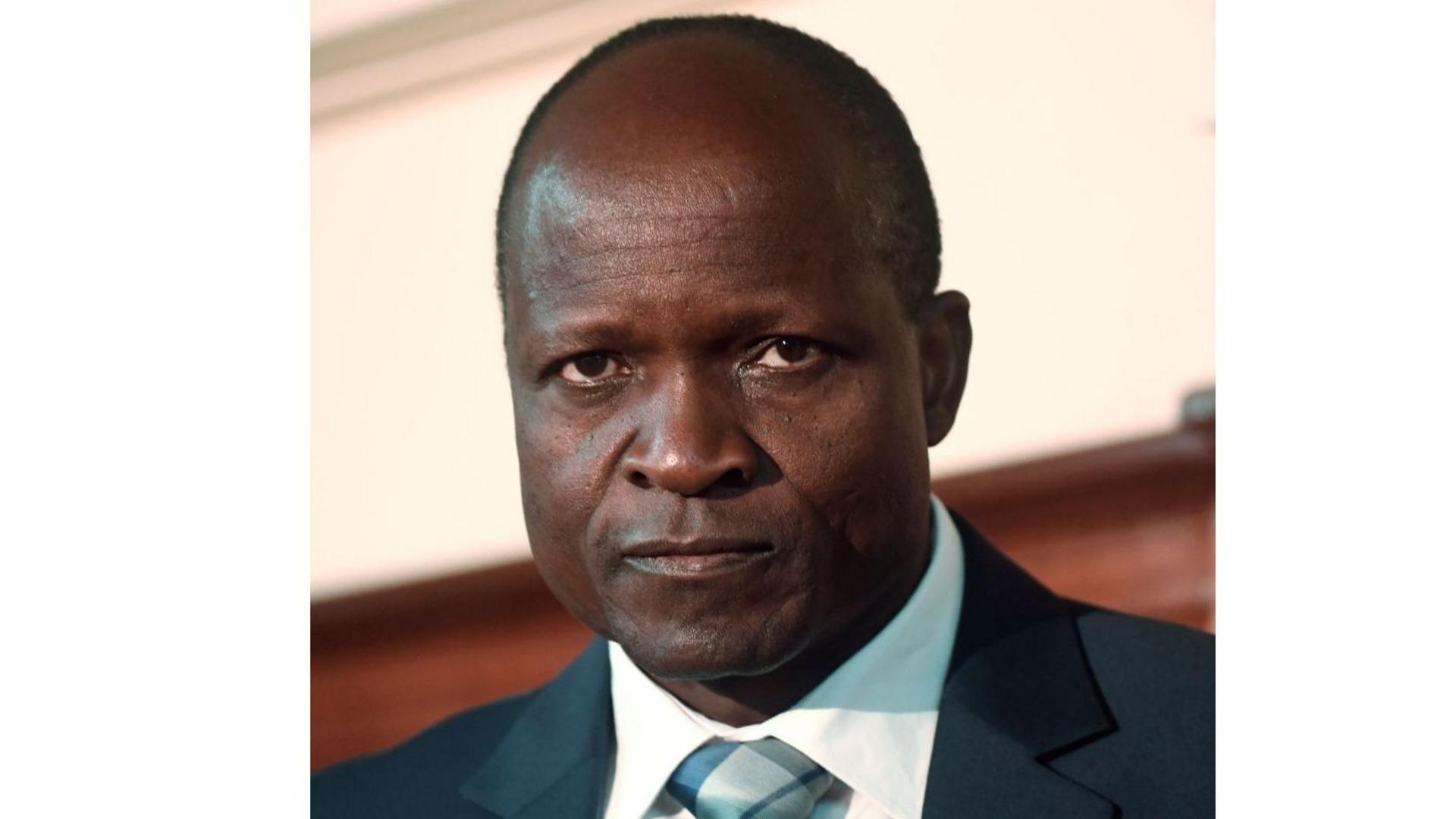
A Kenyan High Court has sentenced former Migori County governor Zacharia Okoth Obado to 25 years in prison for the 2018 murder of Sharon Belyne Otieno, a university student who was seven months pregnant with his child. Judge Cecilia Githua handed down the sentence on Friday, along with two former aides.
Obado's former personal assistant, Michael Oyamo, also received 25 years. Former county clerk Caspal Ojwang' Obiero received 18 years. The court found that Obado provided the motive and financial resources, Oyamo coordinated the killing, and Obiero provided logistical support and helped conceal the crime.
Judge Githua said Obado's absence from Migori at the time of the killing did not absolve him of responsibility. She rejected the prosecution's request for the death penalty and Obado's plea for a non-custodial sentence.
The court found that an "intimate relationship" existed between Obado and Otieno, which "subsequently led to a pregnancy with the deceased that the governor was unhappy about." It also established that Obado was the biological father of her unborn child.
Otieno, 26, was killed between 3 and 4 September 2018 after leaving a hotel in Rongo, south-western Kenya, with journalist Barrack Oduor. Oduor escaped by jumping out of a moving vehicle, and his account became a crucial lead in the investigation. Otieno's body was later found near Kodera Forest. A post-mortem examination found that she died from strangulation and excessive bleeding caused by multiple stab wounds.
The men were convicted of murder on 23 July 2026, after a trial in which prosecutors called 42 witnesses and presented 81 exhibits. Both Obado and Otieno's legal teams said they would appeal the sentence. Otieno's family, through their lawyer Antony Opondo, told Kenya's Daily Nation that they will seek an appeal aimed at acquitting Obado.
The court declined to award compensation to Otieno's family, saying there was insufficient evidence of the financial losses they claimed. Before sentencing, Otieno's mother asked the judge not to send Obado to prison, calling his imprisonment "another death in the family." The judge said the family's circumstances could not override the court's duty to impose an appropriate punishment.