Israel's military spokesperson for Arabic-language media, Ella Waweya, posted a video on X from a classroom in Dibil, a Christian village in south Lebanon, on Lebanon's Independence Day. The video drew condemnation from Lebanese officials, including Dibil's municipality. The municipality told local media that the visit took place about a month before the video was posted and "without prior coordination with the school administration." The Israeli military said an investigation is reviewing the incident and that it is not clear whether Waweya had official approval to post the video.
In the video, Waweya wished Lebanese a happy national day, praised the singer Fairuz, and blamed Hezbollah for hardships in southern Lebanon.
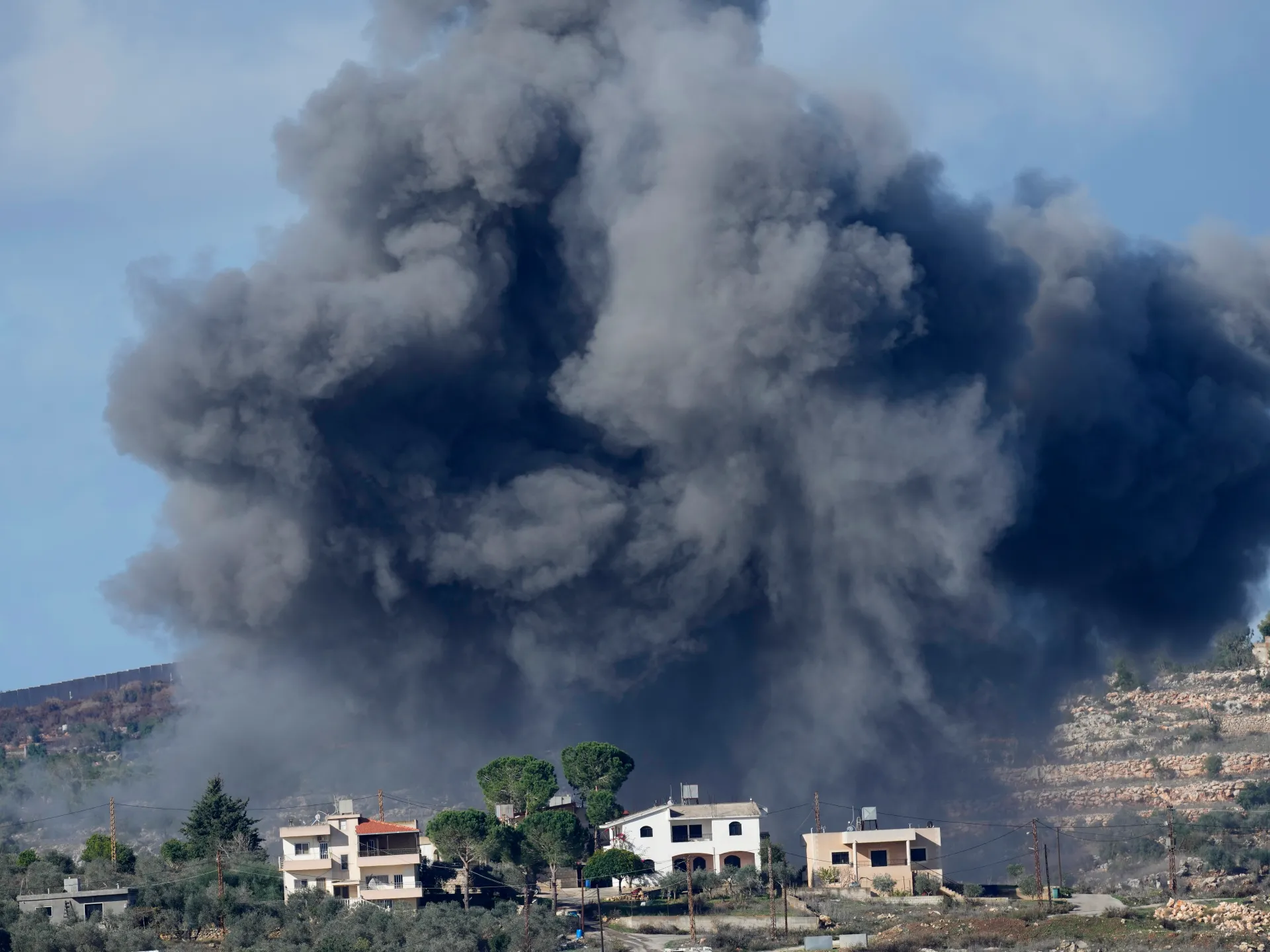
Christian villages in southern Lebanon have generally been allowed to stay on their land during Israel's war on Lebanon, unlike neighbouring Shia Muslim villages. Residents still live under Israeli occupation. Ayoub Khreish, president of Ain Ebl municipality, told Al Jazeera that residents must request permission to travel beyond neighbouring villages. Requests go to the Lebanese Army, then to the UN, then to Israel for approval. "We're in a giant prison," Khreish said.
Khreish said a little more than half of Ain Ebl's population has fled since the war began. He said daily convoys bring in food and other necessities, but the local economy has stopped. He said a June framework agreement between Israel and Lebanon has not progressed as hoped, and talks have been stalled since August.
Munira Khayyat, author of *Landscape of War: Ecologies of Resistance and Survival in South Lebanon*, told Al Jazeera that Israel has a long-standing strategy of separating Christians from their wider communities. Her view is an expert's interpretation, and the report presents it as such. In July, Prime Minister Benjamin Netanyahu told Fox News that some Christian villages had asked to be annexed to Israel. Lebanese officials, including Hanna al-Amil, president of the Rmeish Municipality, rejected that claim. A statement signed by 15 southern Lebanese villages called it "completely fabricated" and "unrelated to reality."