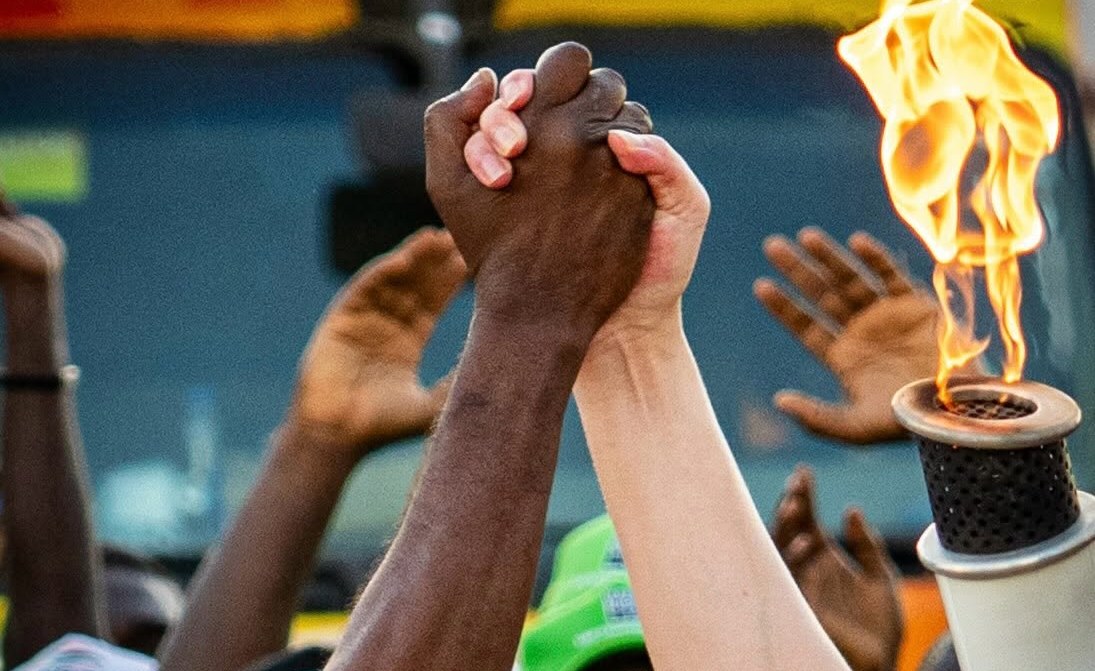
Senegal will host the Youth Olympic Games in Dakar, opening with the flame lit on October 31. Nearly 3,000 athletes from 206 countries are expected to compete, under the motto "Africa Welcomes, Dakar Celebrates." Organizers have promised a welcome built on teranga, the Senegalese tradition of hospitality.
The article contrasts this promise with a law adopted in March. According to the authors, the law sets a maximum 10-year prison term for consensual same-sex conduct and penalizes "promotion" of homosexuality, including financial or other support for LGBT people and organizations.
Writing in a Human Rights Watch commentary, researcher Larissa Koujoué and director Minky Worden cite a Human Rights Watch report that documents mass arrests, forced HIV testing, barriers to legal representation, and degrading detention conditions under the amended law. Human rights defenders and lawyers, as quoted in the piece, say the new offenses have produced fear among legal professionals and made it harder for detainees to find representation.
The authors say police and gendarmerie tested detainees for HIV without consent and used positive results to bring further charges. A district court later dropped those charges. A doctor in Dakar told Human Rights Watch that one-third of patients no longer come in for HIV treatment appointments. A psychologist at Cheikh Anta Diop University reported that campus consultations had tripled since March.
The authors argue that the law puts Youth Olympic participants, including athletes, staff, fans, residents and visitors, at risk. They also say it conflicts with the Olympic Charter's ban on discrimination, including on the basis of sexual orientation. They note that Senegal's government sits on the organizing committee and that Olympic hosts commit to preventing and remedying related human rights abuses.
The commentary calls on President Bassirou Diomaye Faye to protect all participants from discrimination and arbitrary arrest, order the release of those detained under the law, and refer the law to the Constitutional Council. It also urges the International Olympic Committee to press Senegal's government to act before the Games begin.