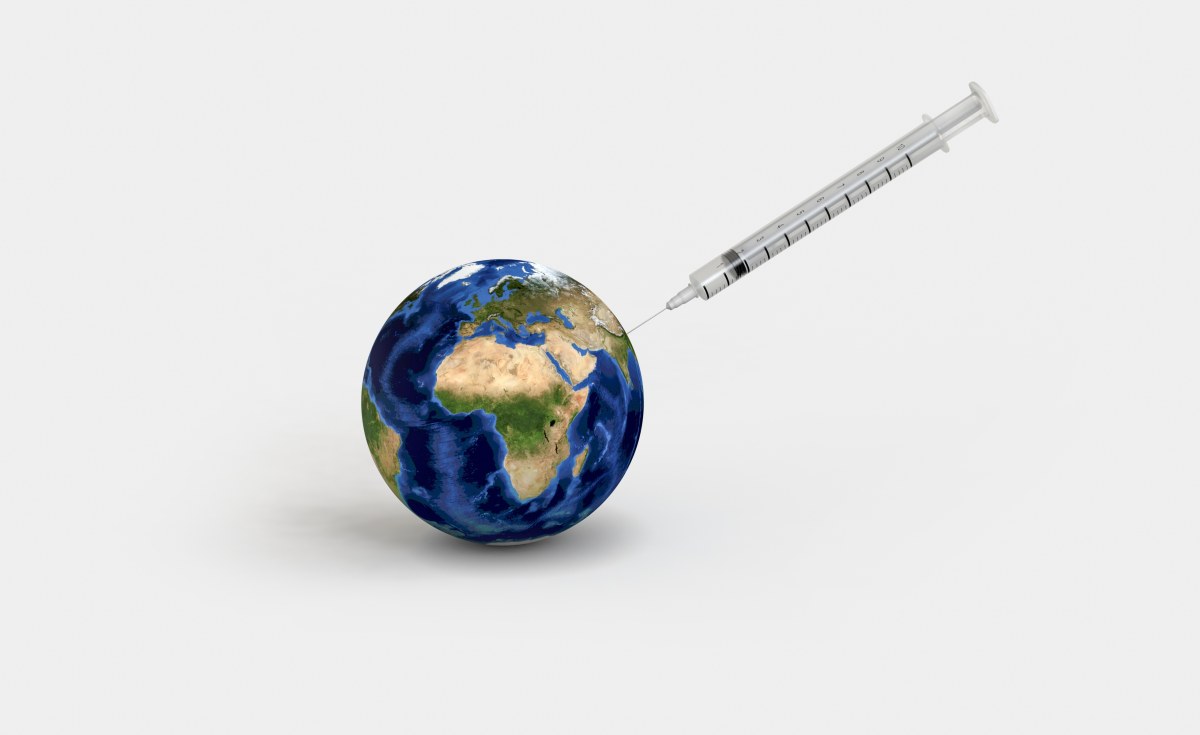
Guinea-Bissau has cancelled a proposed hepatitis B vaccine trial on newborn babies after international criticism that it was unethical and potentially exploitative.
The study was funded by the United States, under Health Secretary Robert F. Kennedy Jr., who has a long record of expressing scepticism about vaccines. It planned to enrol 14,000 newborns. Half would receive the vaccine, and the other half would not, despite World Health Organization recommendations that all babies receive the hepatitis B vaccine at birth and a booster dose.
Health experts warned that withholding the vaccine could expose babies to infection in a country where nearly one in five people has hepatitis B. The report says infants face the greatest risk of chronic infection, which is typically passed from mother to baby. The disease has no cure and can cause long-term liver damage and liver cancer.
The report also says the government had previously prohibited vaccine trials involving children. Police have seized a batch of vaccines from the research centre at the centre of the controversy.