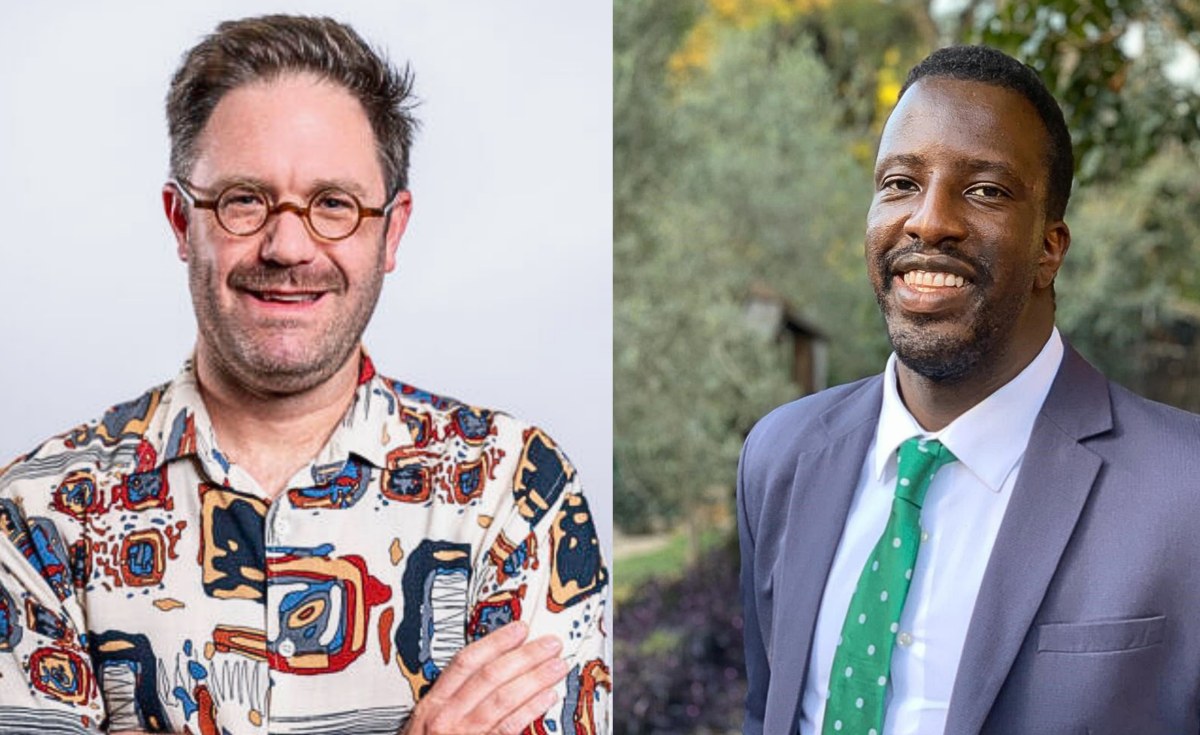
Two authors from the Centre for Environmental Rights argue that a just energy transition in Africa must test fossil fuel investments against their water demands. Dr Jonty Cogger and Paul Wani Lado draw on South Africa's experience, writing ahead of COP31.
They say South Africa is a water-scarce country, where local communities already struggle with unreliable services and crumbling infrastructure. They cite Dr Ian Little, writing for the Endangered Wildlife Trust, who warns that a strong El Niño during the 2026/2027 summer season could bring below-average rainfall, higher temperatures and lower river flows.
The authors call on government to assess, from the outset, how proposed fossil fuel and industrial projects would affect water availability, quality and community access. They say decision-makers should publicly disclose projected water use, its source, the condition of the water systems involved, drought impacts and the combined demand from existing and future developments. They also argue that pipelines, power stations and related facilities need the same scrutiny.
The authors reject the view that economic benefits automatically outweigh environmental and social costs. They say those costs must be weighed against benefits before approvals are granted.