The US is linking commercial engagement with security in Africa, and Nigeria is one of the countries where US Africa Command has encountered interest in economic engagement. The report says the measures are market access, non-oil exports, investment and jobs.
Senior US officials spoke at the Africa Strategic Dialogue at the National Defense University in Washington on 29 October. Assistant Secretary of State for African Affairs Frank Garcia Jr. described the approach as an economic partnership. "It has to be a good deal for African partners and a good deal for the US taxpayers and industry," he said. He added: "Conflict impedes companies from building, hiring, growing."
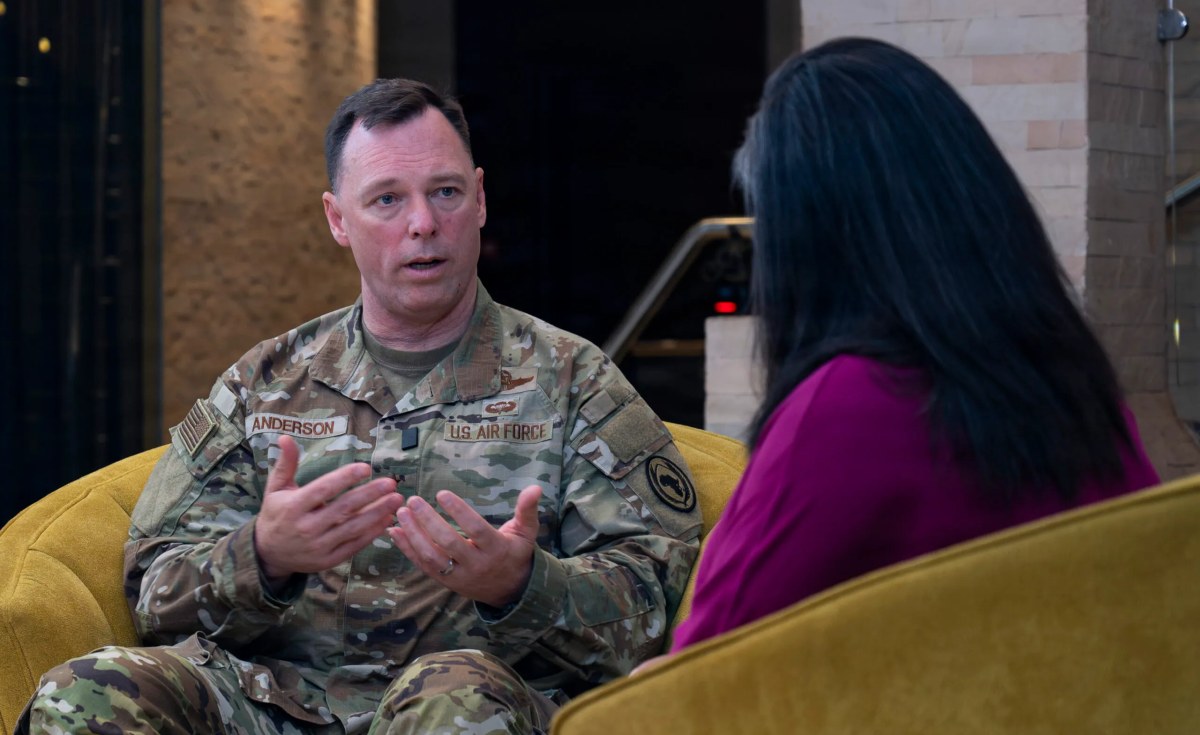
AFRICOM commander Dagvin Anderson said cooperation must go beyond military activity. "And so we can't just focus on the security piece," he said. "We have to look at how we bridge into that stability and investment."
The report says the US-Nigeria Commercial and Investment Partnership was established through a five-year memorandum signed in July 2024. Its working groups began meeting in June 2025 across agriculture, the digital economy and infrastructure. The report describes the partnership as a commercial framework, not a military programme directed by AFRICOM.
At a ministerial meeting in Lagos in January, Nigeria's Minister of Industry, Trade and Investment, Jumoke Oduwole, emphasised non-oil export diversification and access to the American market. According to the US Mission's published account, she said the goal is to ensure "more Nigerian businesses can access U.S. markets in a way that is competitive, sustainable, and inclusive."
The report says the working groups had developed proposals by the January ministerial to improve the business environment. It does not say whether any of those proposals have been adopted.
Mark Mitchell, deputy assistant secretary at the US Commerce Department, described commercial support across technology, energy, manufacturing, critical minerals and infrastructure. The report notes that formal Commercial Advocacy cases differ from broader business engagement support.