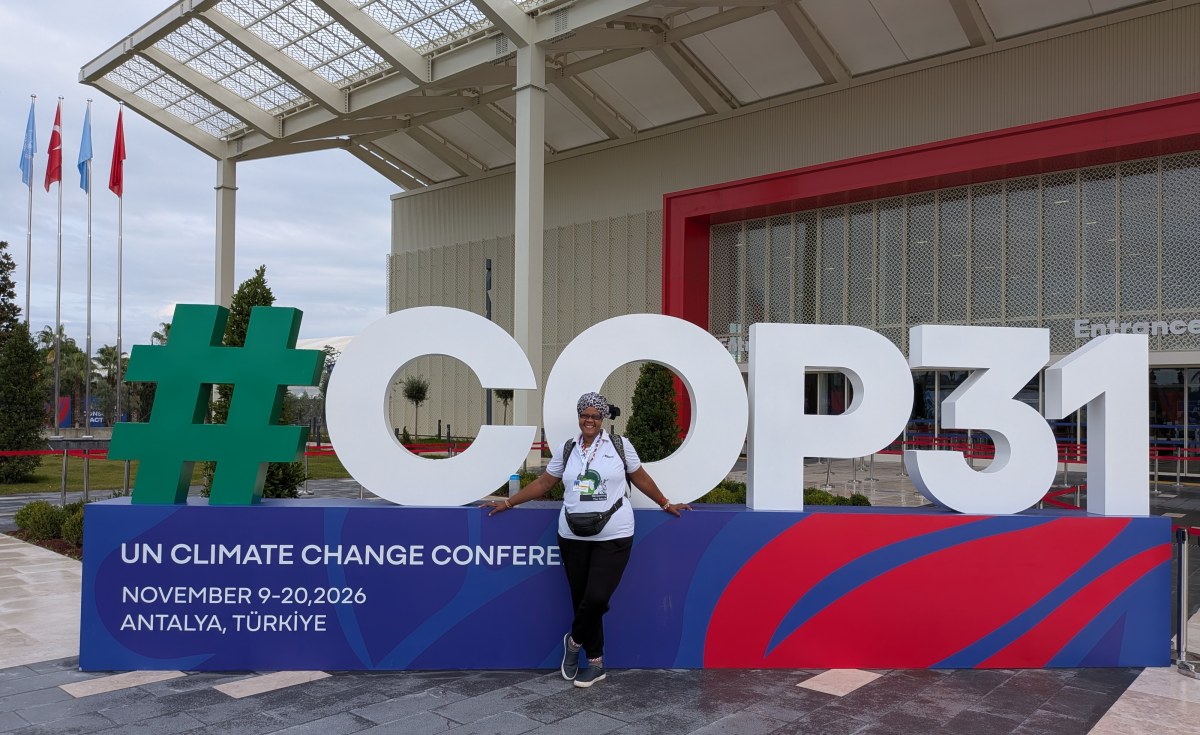
Waste pickers across Africa say the continent's circular-economy transition will fail without them. They say they already recover and recycle much of the waste that would otherwise go to landfills, rivers and open burning. Their demand comes as COP31 places zero waste on the climate agenda.
The UN Environment Programme estimates municipal solid waste reached 2.1 billion tonnes in 2023 and will reach 3.8 billion tonnes by 2050. The report says waste is the third-largest source of human-caused methane emissions, at nearly 20% of the global total. It also says 97% of waste in low-income countries is openly dumped or burned.
Under its Global Climate Action Agenda, COP31 is championing a Zero Waste initiative. It focuses on preventing food waste, turning waste into resources, and encouraging countries to include waste-related methane reductions in their updated Nationally Determined Contributions.
The International Alliance of Waste Pickers says the success of these initiatives depends partly on recognising existing recyclers as essential partners. Eva Mokoena of South Africa's African Reclaimers Organisation says waste pickers should be written into waste and climate legislation. She says they should lead household separation and door-to-door awareness work. She also calls for reclaimer cooperatives to get access to land, storage, transport and processing facilities, so organic waste can become compost, manure and biogas.
Mokoena says waste pickers still work with limited formal recognition, social protection and decent working conditions.