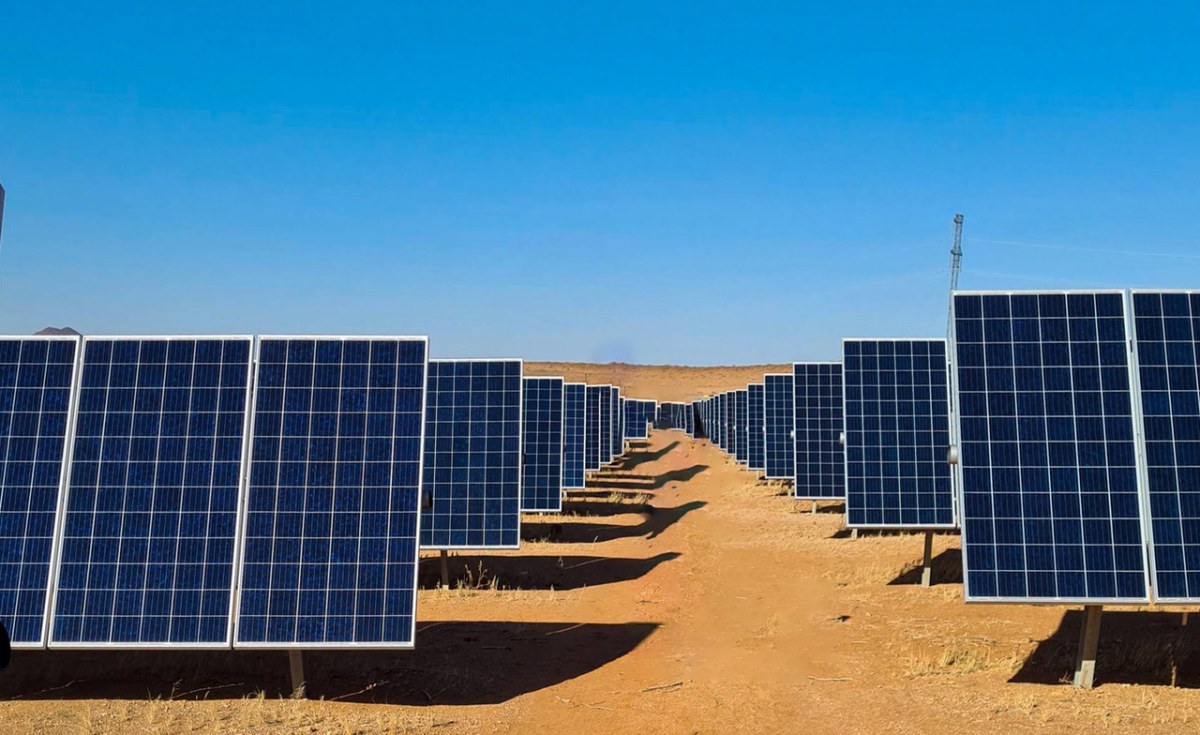
Africa's solar boom is shifting from large utility projects to small-scale systems, the International Energy Agency (IEA) said in its World Energy Outlook report, published on a Thursday.
The report says solar PV imports to Africa have risen since 2017, with most of the increase coming from China, where imports have grown 28-fold. Installed solar capacity across the continent has increased eightfold over the same period, according to the IEA.
Nigeria, Algeria, Kenya and Senegal each added more than one gigawatt of solar capacity in 2025, the report says. Smaller installations are now the main driver of growth, the IEA said, as households, businesses and industries seek alternatives to unreliable electricity supply.
Trade data cited by the IEA indicate Africa imported about 26 gigawatts (GW) of solar PV equipment in 2025, compared with reported installations of about 10 GW. The IEA said the gap raises questions about deployment pace, the accuracy of installation data, and whether imported equipment is being stockpiled, re-exported or installed in projects missing from official statistics.
The agency attributed the gap partly to equipment remaining in inventories for long periods, installations not captured in official data, and possible inconsistencies in trade and deployment records. It said newly developed tools combining satellite imagery and remote sensing suggest a significant share of imported equipment is deployed in installations missing from official records.
In Nigeria, the report's context includes repeated grid collapses, ageing infrastructure, gas supply shortages and estimated billing, according to the article's account of the sector. The article also says the 2023 removal of the petrol subsidy by President Bola Tinubu's administration raised generator running costs, adding to pressure on households and businesses.