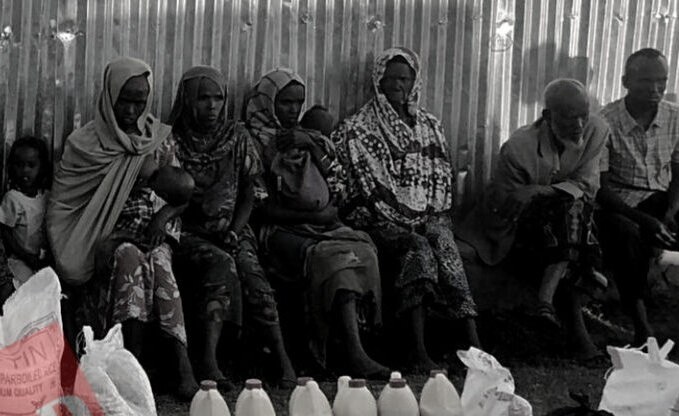
The International Committee of the Red Cross (ICRC) has warned that the humanitarian situation in Ethiopia's Oromia region is deteriorating amid persistent armed conflict, deadly civilian attacks and growing displacement. The organization said on Thursday that it is struggling to reach all affected communities.
The ICRC, working with the Ethiopian Red Cross Society (ERCS), said it had intensified aid in conflict-affected areas of western and southern Oromia over recent weeks.
The source reports that at least 48 people were killed and more than 31 seriously injured in a six-hour assault in Shirka Woreda, Southeast Oromia zone, in October and early November. A later attack in the area reportedly killed dozens more.
Fighting along the Oromia-Somali regional border began on October 18 in Moyale, after a dispute over the display of a regional flag and the fatal shooting of a 13-year-old girl. The clashes have spread across several districts along the border, according to the report. They have caused displacement, disrupted services and deepened food insecurity, and have paralyzed livestock markets and cross-border trade in Borana.
Igor Moroz, deputy head of the Red Cross Oromia Regional Office, said relief operations are underway in the former East Wollega, Horo Guduru Wollega, Guji and Borana zones. "We are seeing the humanitarian crisis in Oromia grow increasingly worse; we help the people we can, but we cannot be everywhere," he said.
The Red Cross said it has provided medical assistance to 125,000 patients, built 300 hand-pump water points serving more than 90,000 people, and distributed agricultural tools to over 7,000 households. It also gave financial aid to 2,900 households that lost property to conflict in parts of East and West Wollega and East Borana.
The organization said it has engaged armed actors, government authorities and religious leaders on respect for international humanitarian law. Regarding the Moyale incident, it said investigations are ongoing and it is ready to assist in coordination with humanitarian partners.