BBC World Service has launched Dars Hausa, an educational programme in Hausa, the main language of northern Nigeria, Niger, Cameroon and elsewhere in West Africa. It offers English, maths and science lessons through social media, local television partnerships and radio.
The BBC cites Unesco estimates from 2024 that nearly 19 million children in Nigeria are out of school, about one in four school-age children. Save the Children says nearly half of Nigerian households have a radio.
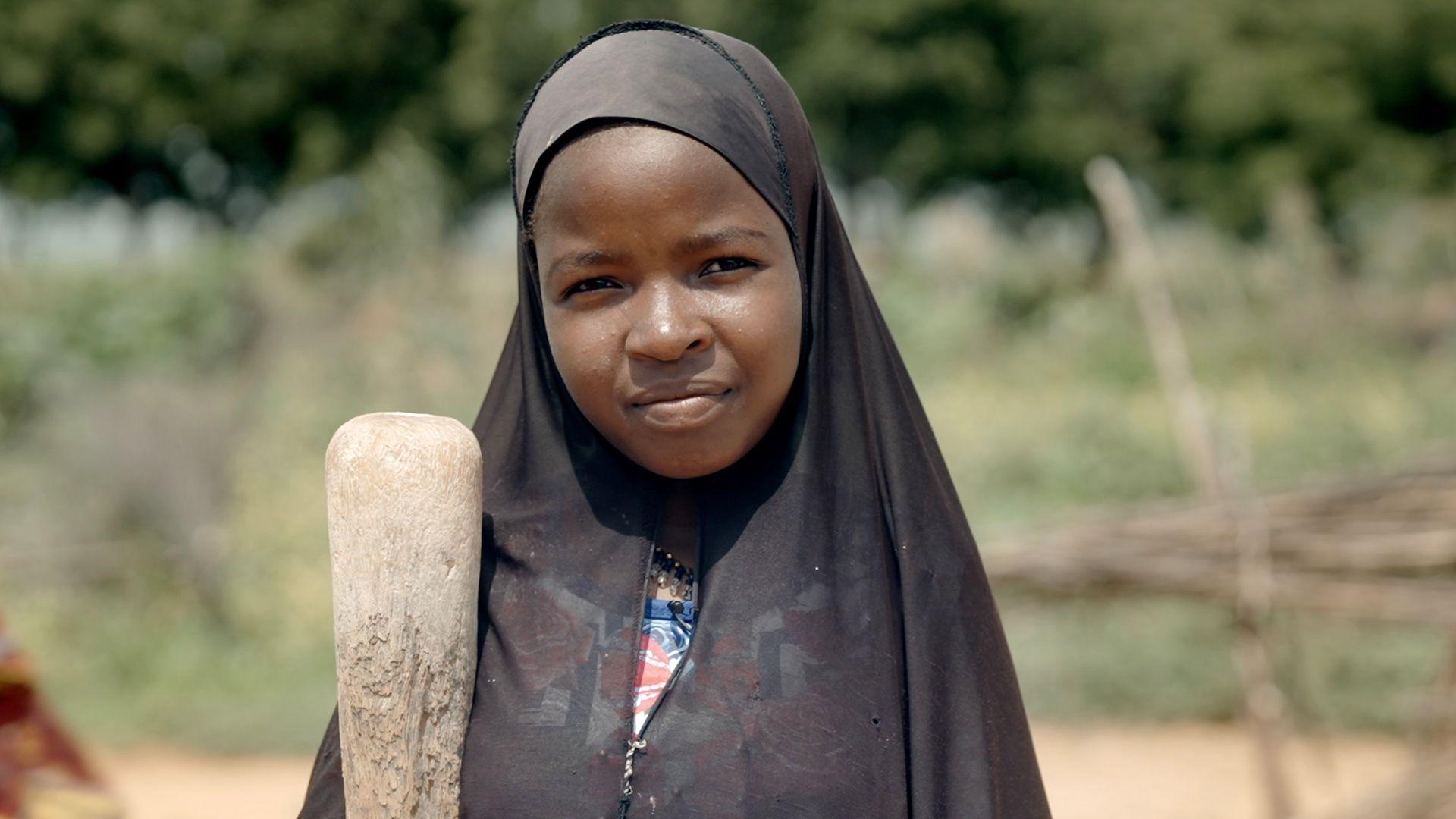
The report profiles two girls living in a displacement camp in Goronyo. Hadiza, 15, left school at 13 to marry and now does housework. She says she practises writing the English alphabet on the ground to avoid forgetting it. Rukayya, 12, stopped school after bandits killed her father, and she gathers firewood to sell and begs to feed her siblings.
The International Organization for Migration says 670,000 people in north-west and central Nigeria have been forced from their homes by armed robbery and kidnapping. The report says most attacks in the region are carried out by criminal gangs known as bandits.
Kamilu Sulaiman Jakada, a teacher at the camp's only school, says the school has about 50 students per class and too few teachers and classrooms. He says funding is inconsistent. He says parents have withdrawn children after a gang fired shots near the school, though no one was hurt.
Minister of State for Education Prof Suwaiba Sa'id says the government treats education as its "number-one priority" and that the number of out-of-school children is lower than reported. She admits that "the proper investment, the proper oversight, has not been done." She says the Lumina initiative aims to support one million girls by 2030.