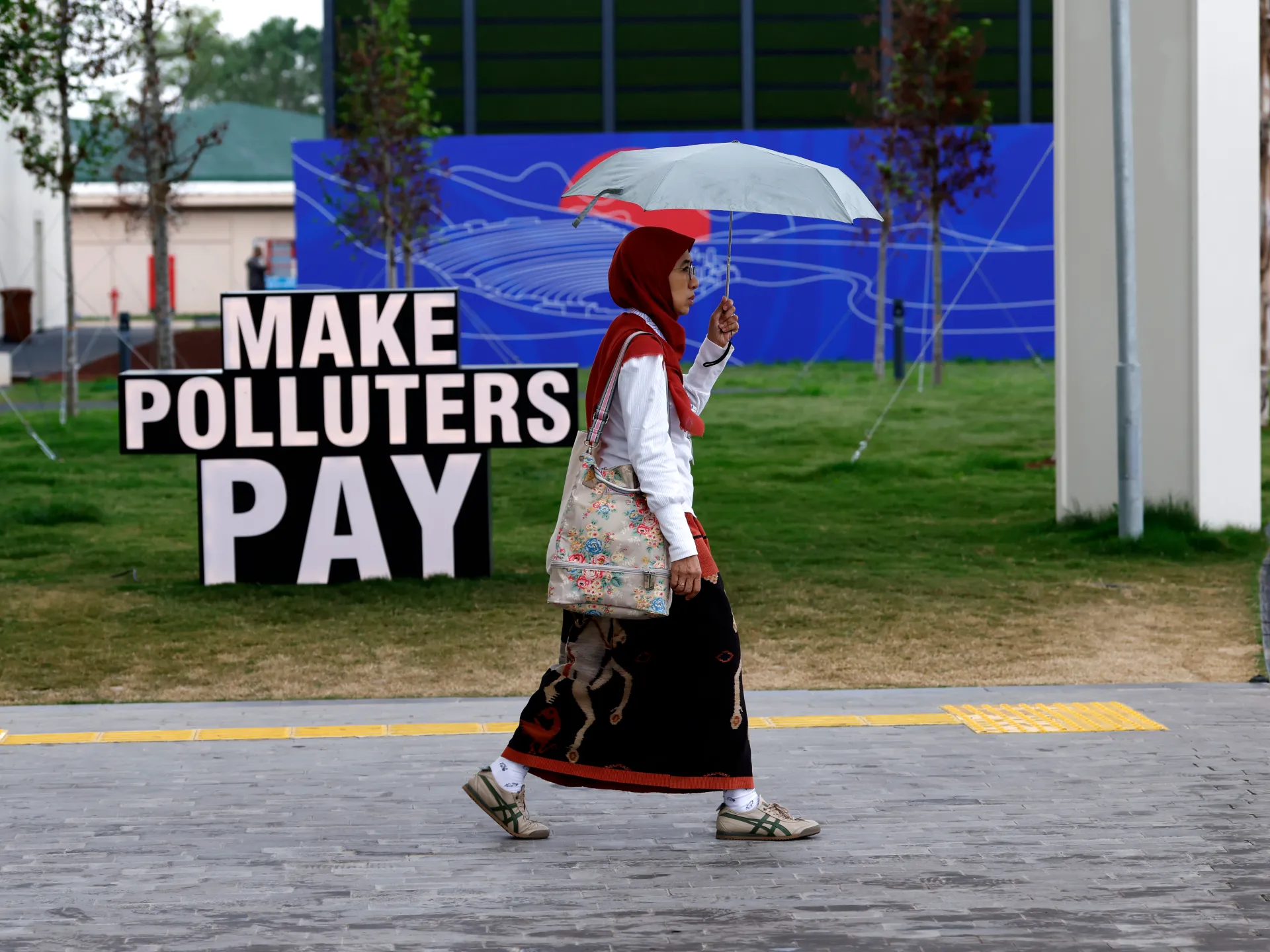
UN climate talks in Antalya, Turkiye, ended in collapse on Sunday after countries deadlocked over phasing out fossil fuels. The 11-day conference, known as COP31, began on November 9.
The European Union and several vulnerable nations rejected the final deal as too weak. They said it failed to mention fossil fuels, the main driver of global warming.
Oil-producing states blocked any mention of a phase-out, according to the source. Saudi Arabia and fellow OPEC members opposed the language and pushed instead for carbon capture, which the source describes as costly and ineffective.
Cosima Cassel, programme lead in Climate Diplomacy and Geopolitics at the think tank E3G, said petrostates were trying to slow the energy transition "following the disruption of the Strait of Hormuz and the projected decline in their incomes as global demand for fossil fuels falls."
About 130 nations sent a letter to the presidency saying any deal must set a path for transitioning away from fossil fuels. The revised text made no mention of fossil fuels.
The source also reports no progress on climate finance for developing countries. Sebastien Duyck, senior attorney at the Center for International Environmental Law, said wealthy countries showed "considerable hypocrisy" by criticising oil producers while not paying their share. He called for wealthy economies to meet existing climate finance commitments before COP32.
The UN Environment Programme said last year the world would very likely exceed the 1.5C limit within the next decade. Without meaningful action, it projected warming of 2.3 to 2.5C by 2100.