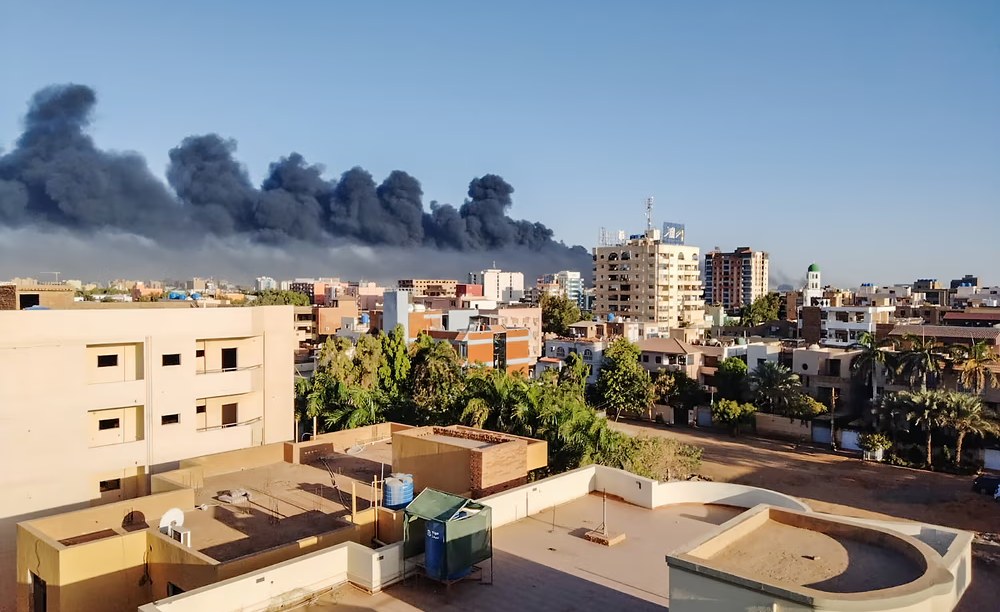
UN human rights officials say drone strikes have become the main cause of civilian deaths in Sudan in 2026.
Li Fung, head of the UN Human Rights Office country team, told journalists at a Nov. 17 press conference in Geneva that the conflict between the Sudanese Armed Forces (SAF) and the Rapid Support Forces (RSF) has entered a new phase. Both sides have increased their use of armed drones. Fung said the weapons have "expanded the reach and impacts beyond active frontlines."
Fung said the UN Human Rights Office documented the killing of more than 2,230 civilians from January to the end of October. Close to three-quarters of those deaths came from drone strikes.
The office recorded at least 39 drone strikes on markets, 20 on civilian vehicles, 17 on fuel tankers and depots, and 16 on health facilities in the first half of 2026, Fung said.
Fung said drone strikes between Oct. 20 and Nov. 4 hit electricity facilities and fuel stations in 11 states. She attributed 29 of those strikes to the RSF. The attacks caused widespread blackouts and fuel shortages.
Fung said the strikes put dialysis, surgery and temperature-sensitive vaccines at risk. She also said water shortages and rising bread prices are driving people toward unsafe water sources, which raises the risk of cholera.
Fung called for an end to arms transfers used in violation of the duty to protect civilians. Amnesty International said Chinese weapons re-exported by the United Arab Emirates have been captured in Khartoum and used in Darfur, in breach of the UN arms embargo. The UAE's response is not included in the source material.