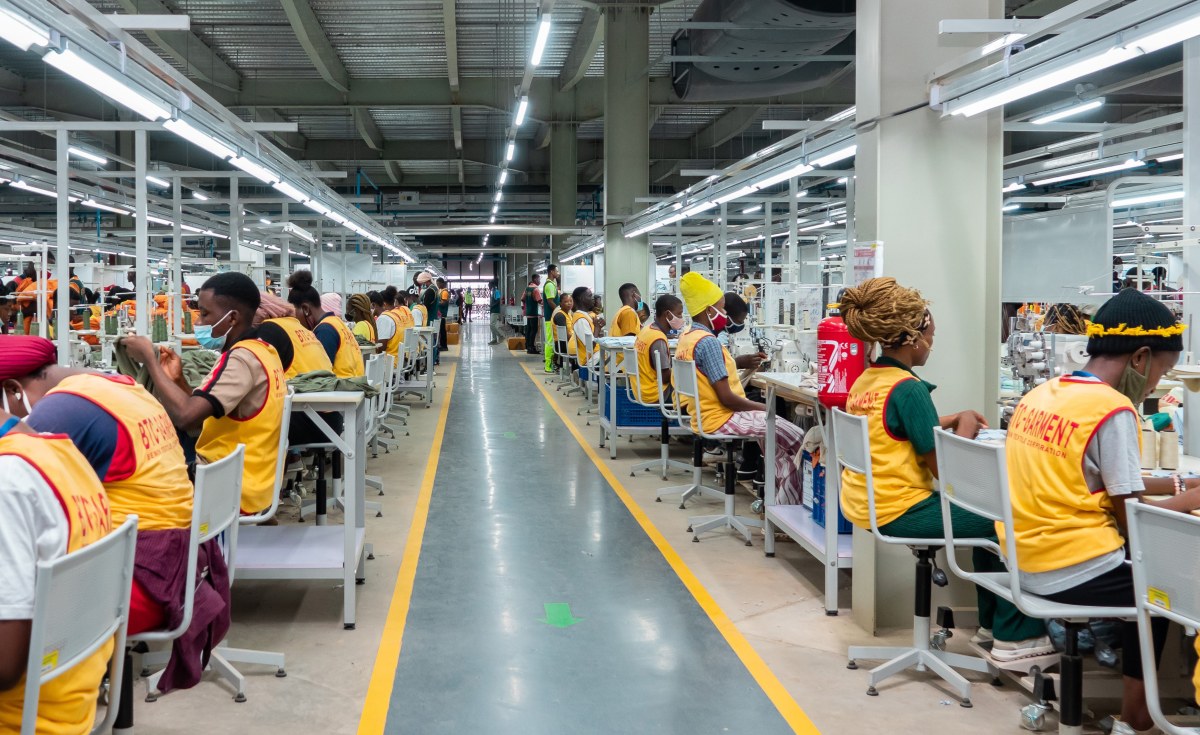
Shared water and power infrastructure is shifting part of the capital cost of African textile production from factory owners to industrial park developers, according to AllAfrica.
Developers in some textile hubs provide common utilities that producers pay to use. Wastewater plants already operate in industrial zones in Ethiopia, Benin and Togo. The source says this model could ease entry into spinning, dyeing and finishing, which traditionally added water, energy and waste treatment costs to factory setup.
Ethiopia's Hawassa textile and apparel park has a wastewater treatment plant designed to handle 11 million litres a day, according to the state Industrial Parks Development Corporation. The city administration reports a 90% water recovery rate. A World Bank study found the system cost $3.40 per cubic metre to operate, while factories paid $0.80 per cubic metre treated, according to the report.
An International Finance Corporation review updated in March 2026 records operational common effluent treatment plants at two ARISE zones, Glo-Djigbé in Benin and Adétikopé in Togo. The review says textile operations at Glo-Djigbé achieve an 85-90% internal water reuse rate.
Rajeev Arora, a Kenya-based cotton, textile and apparel specialist, said at an online discussion hosted by the Africa Cotton, Textile and Apparel Centre that "plug-and-play green parks can bring spinning and garment production together with centralised water treatment." Oluwambe Akinmoye, a Nigerian industrial designer and textile specialist, said new industries should recover and reuse water and materials wherever possible.
Dr Debanjan Das, an associate professor at West Virginia University, told an October 22 webinar that commercial returns on green practices had varied across the six countries he examined. He said of Ethiopia: "Green practices can improve environmental performance and competitiveness, but the financial returns have not necessarily followed."