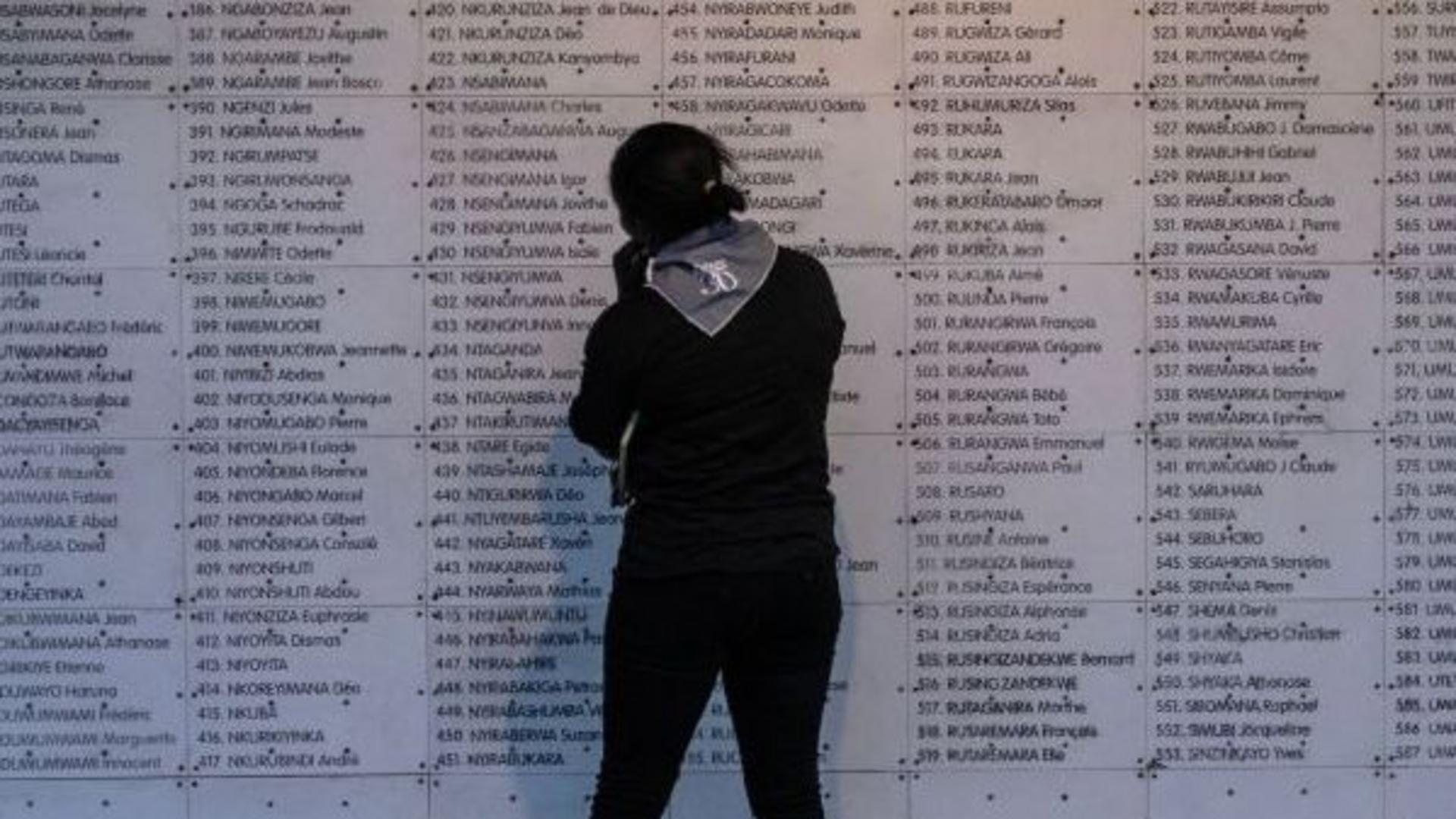
A federal jury in Boston convicted Eric Nshimiye, 54, of perjury and obstruction of justice, according to the BBC. The charges stem from his testimony in the 2019 immigration fraud trial of Jean Leonard Teganya, a former university classmate.
Prosecutors said Nshimiye concealed his role in the 1994 Rwandan genocide to secure entry into the United States. Evidence presented at trial showed that, while a student at the University of Rwanda in Butare, he took part in attacks on Tutsi people, including striking them on the head with a club, the BBC reported.
Nshimiye fled Rwanda for Kenya in 1994 and was admitted to the US as a refugee the following year.
US Justice Department prosecutor Tysen Duva said: "For nearly three decades, this defendant concealed his involvement in the 1994 Rwandan genocide and the heinous acts of violence he committed, including clubbing people to death."
Nshimiye's lawyer, Kurt Kerns, said they were "obviously disappointed with the verdict" and would pursue "all avenues of relief." During the trial, Kerns argued the charges were based on "fabricated accusations" and that Nshimiye was not in Butare when the violence began.
Nshimiye faces up to five years in prison on each of the four perjury counts and up to 10 years on the obstruction charge. He is due to be sentenced on 26 January 2027.
Teganya was sentenced to eight years in jail in 2019 for immigration fraud after lying about his involvement in the genocide. Prosecutors also accused him of participating in at least seven murders and five rapes, which he denied.
About 800,000 people, mostly Tutsi, were killed by ethnic Hutu extremists during the 100-day genocide.