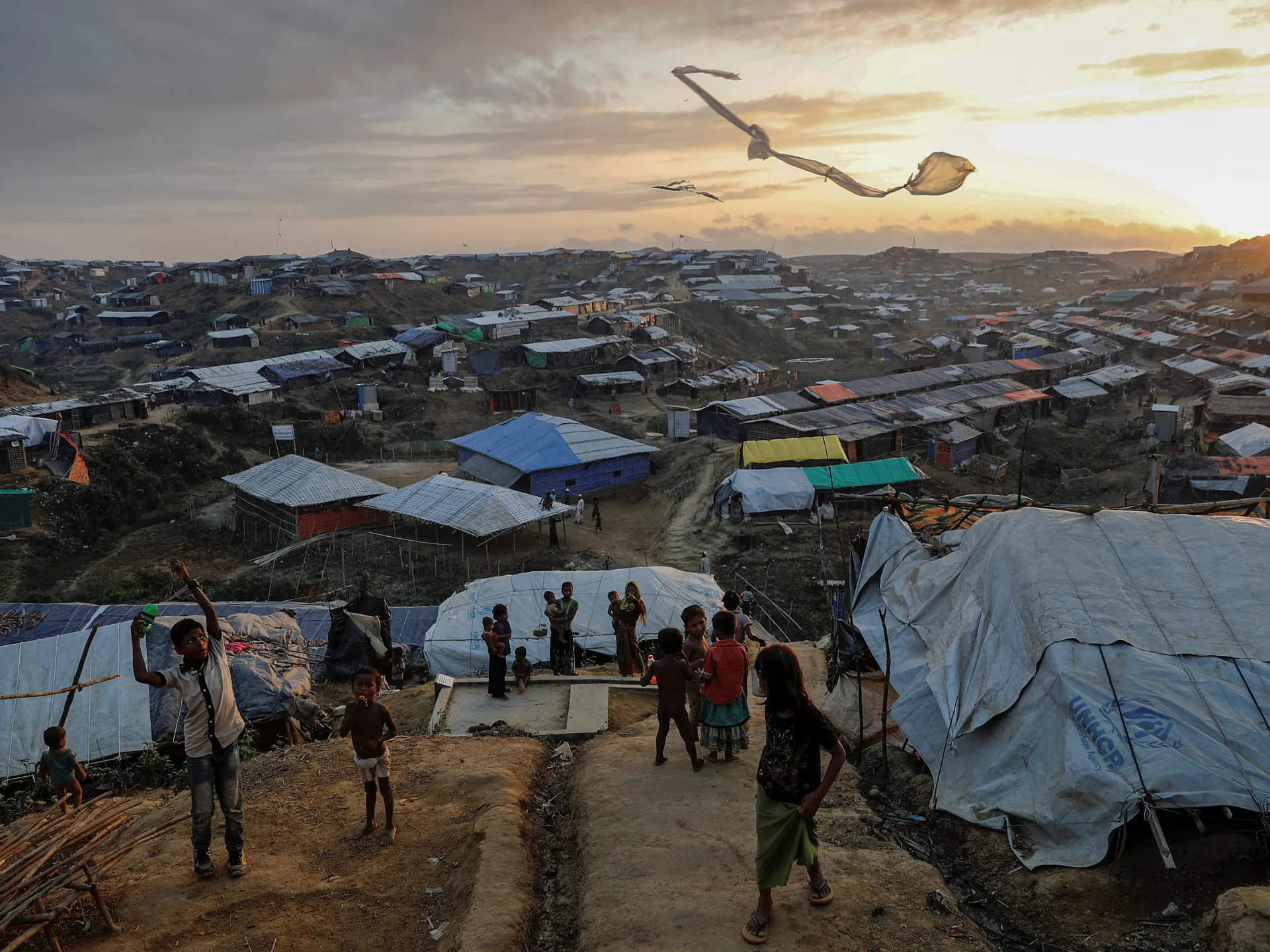
The International Court of Justice (ICJ) in The Hague is scheduled to rule on whether Myanmar committed genocide against its Rohingya Muslim minority. The Gambia brought the case. The court will deliver its verdict on Thursday, according to the report. It will be the court's first judgment on the merits of a genocide case in more than a decade.
The Gambia accuses Myanmar of seeking to destroy the Rohingya during a 2017 military crackdown. The Gambia filed the case in November 2019 on behalf of the 57-member Organisation of Islamic Cooperation. Myanmar says it was responding to attacks by fighters from the Arakan Rohingya Salvation Army on police posts.
The United Nations estimated that about 10,000 Rohingya were killed and 740,000 forced to flee to Bangladesh. UN investigators found that soldiers razed hundreds of villages, carried out mass killings and committed widespread sexual violence. They said the sexual violence indicated genocidal intent.
The court must find that Myanmar acted with specific intent to destroy the group. Evidence of atrocities alone is not enough, the report said. The ICJ rules on state conduct, not the criminal guilt of individual soldiers or commanders.
Legal experts said the ruling could bear on South Africa's case accusing Israel of genocide in Gaza, which Israel is contesting. Michael Becker, an international law professor at Trinity College Dublin, said a genocide finding would formally recognise the harm the Rohingya have suffered but may do little in the short term for victims. He said the court may impose relief demands only partly or in general terms.