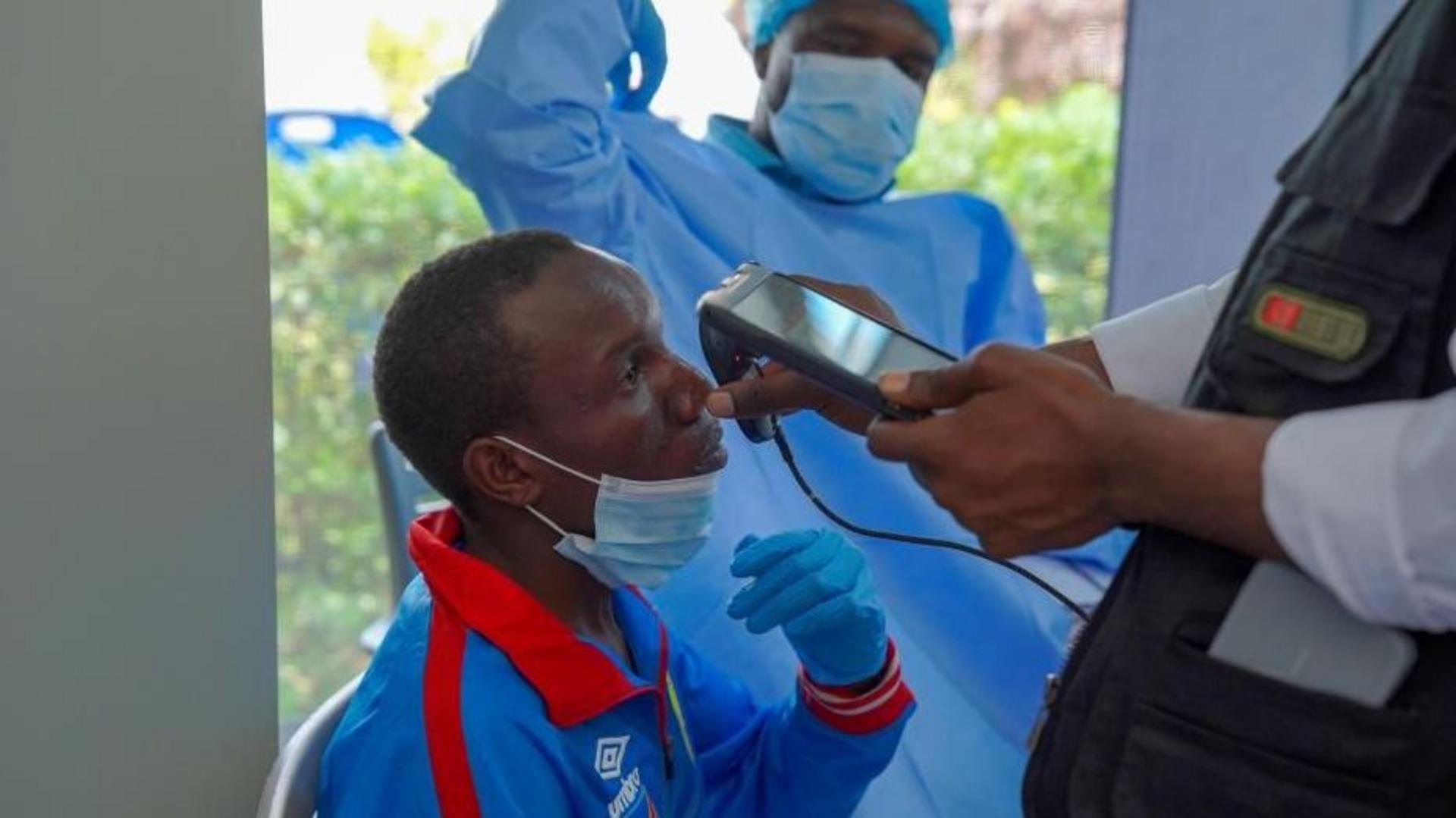
More than 5,000 people have died in an ongoing Ebola outbreak in the Democratic Republic of Congo, according to government data. The outbreak has affected eight of the country's 26 provinces, with more than 10,300 confirmed cases.
The outbreak began in May and became the deadliest in the country's history in August, public health officials said. The current case fatality rate is 48.6%, according to the health ministry.
The health ministry said the epicentre remains in Ituri province, in the north-east of the country. The UN describes Ituri as a conflict zone, which makes the virus harder to contain.
The UN calls this the 17th outbreak in DR Congo's history and the second largest in history. The UN warns that the current outbreak is "taking lives at a much faster rate." The previous deadliest outbreak in the country, between 2018 and 2020, recorded 2,299 deaths, the UN said.
The Bundibugyo species is behind the current outbreak. There is no vaccine or treatment for this strain, but clinical trials are under way. The World Health Organization's Africa office said a "continued scale-up of key control measures, greater access to affected areas, and community outreach" is needed to end the outbreak.
Cases have also been confirmed in Kenya, Nigeria and Uganda. Kenya has reported nine confirmed cases and two deaths. In Uganda, two people died and 20 cases were recorded shortly after the outbreak started, but no cases have been reported since August. Nigeria identified two suspected cases on Saturday, and the individuals are isolated and undergoing testing, its disease control centre said.
Attacks have complicated the response. Earlier this week, a nurse was killed and another health worker seriously injured while responding to an Ebola alert. Local youths had accused them of contaminating water sources, according to the UN-backed Radio Okapi. Last month, a politician was beaten to death after promoting measures to stop the spread of Ebola. In August, the Red Cross said its volunteers had been injured and an ambulance set on fire in 11 violent incidents in the outbreak's first 100 days.
The European Centre for Disease Prevention and Control said the likelihood of infection for people in Europe is "very low."