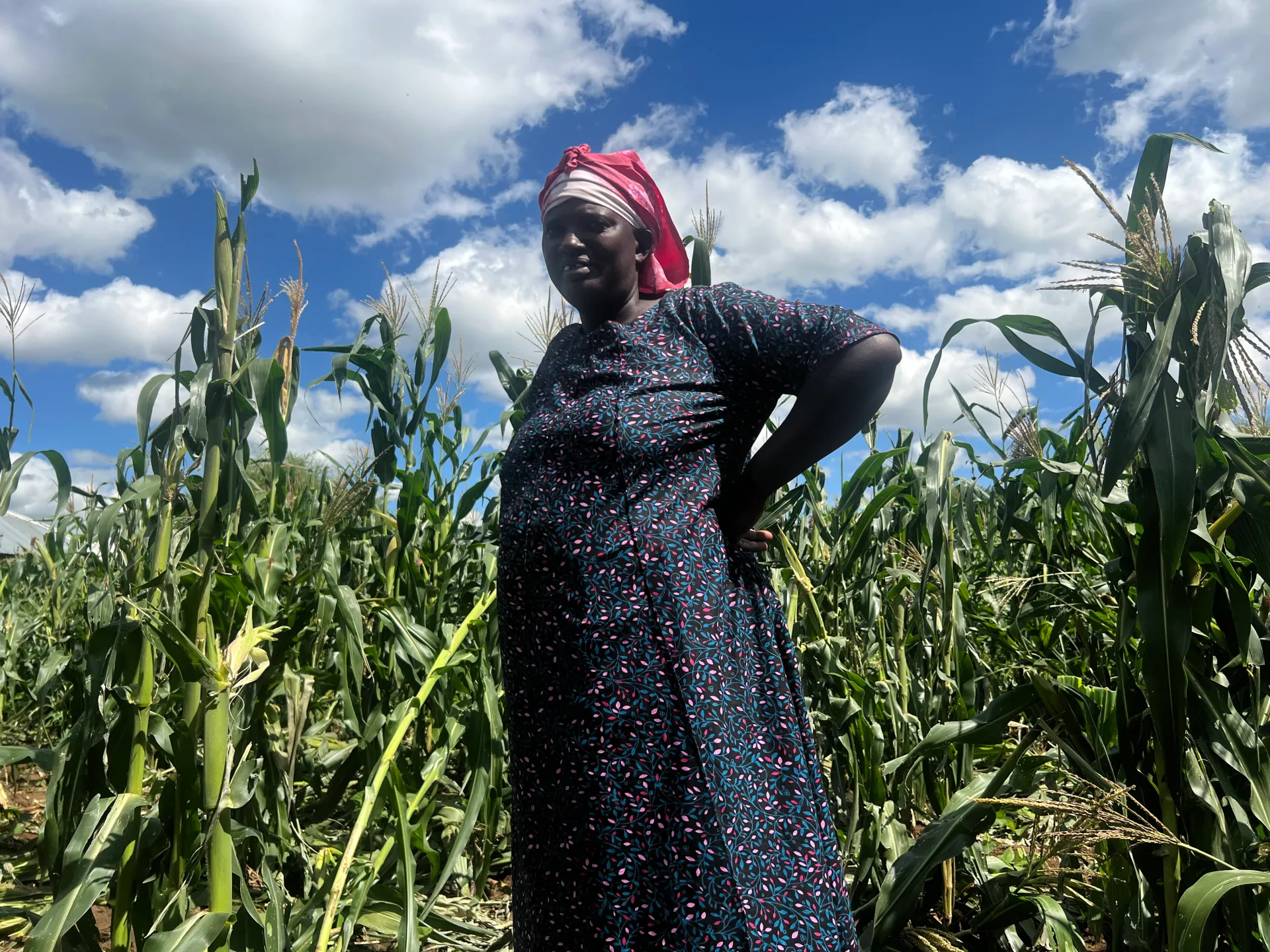
Tanzanian smallholder farmers say they struggle to benefit from government digital agriculture services, Al Jazeera reports. Theresia Abel Nyoka, a farmer in Paranga village in Dodoma region, has received messages about M-Kilimo and e-Kilimo but has never registered. "It is simply because we have not been given education. I do not know their importance or benefits," she told Al Jazeera.
M-Kilimo is a Ministry of Agriculture mobile service that provides market information and farming advice. It also lets farmers advertise produce and ask extension workers for help. The broader e-Kilimo platform brings government agricultural services together through a website and smartphone app.
Jeremiah Luwe, a maize and pigeon pea farmer in Ngomai village in Kongwa district, has used M-Kilimo. He says responses to questions about markets and inputs can take up to two weeks. "Sometimes the information arrives too late to be useful," he said.
Adam Rashidi, who grows pigeon peas and sesame in Kingale village, said he could register "if I am given education." He could not name anyone in Kingale who used either service. Shaban Ndatwa, chairman of the Kingale Agricultural Marketing Cooperative Society (AMCOS), said he has attended seminars on the Tanzania Mercantile Exchange but has not registered and has received no training. "I can see that people still do not understand the systems properly," he said.
The government is funding the $3.62 million Data for Digital Agricultural Transformation Joint Programme, which runs from September 2024 to August 2027. Its targets include improving digital literacy for 500,000 farmers and training 500 government extension workers. The Ministry of Agriculture did not respond to requests for comment on farmers' concerns.
A 2024 study drawing on Ministry of Agriculture information reported about 7.2 million registered farmers on M-Kilimo. It also recorded 75,623 advisory consultations, of which 73,839 received replies. The study found about 400,000 incomplete registrations and said some farmers struggled to use the USSD service on basic phones. The figures do not show how many farmers actively used the service or whether its responses improved their decisions. No comparable figures have been published for e-Kilimo.
Praygod Malisa, an agriculture specialist with Rikolto East Africa in Tanzania, said larger farmers usually have better market access. He called for programmes to be judged on impact rather than registration numbers. "We need to know how many farmers were reached, how many benefitted and whether there is real data and evidence of success," he said.