Israeli President Isaac Herzog has given opposition leader Gadi Eisenkot the first chance to form a new government after an inconclusive October election. Eisenkot, the former military chief and leader of the Yashar party, has 28 days to build a coalition, with a possible 14-day extension.
Neither Eisenkot nor Prime Minister Benjamin Netanyahu holds the 61 seats needed for a majority in the 120-member Knesset. Netanyahu's religious-nationalist coalition fell from 64 seats in 2022 to 53. Yashar won 21 seats, and Netanyahu's Likud won 27.
Eisenkot's potential partners are Yashar, the centre-left Democrats led by Yair Golan, Naftali Bennett's centre-right Together party, and Avigdor Lieberman's Yisrael Beiteinu. Together they hold 48 seats. Arab-led parties Ra'am and the Joint List, with 19 seats combined, have endorsed Eisenkot's attempt. Eisenkot has ruled out bringing Arab parties into his government, and Lieberman has rejected a government dependent on their support.
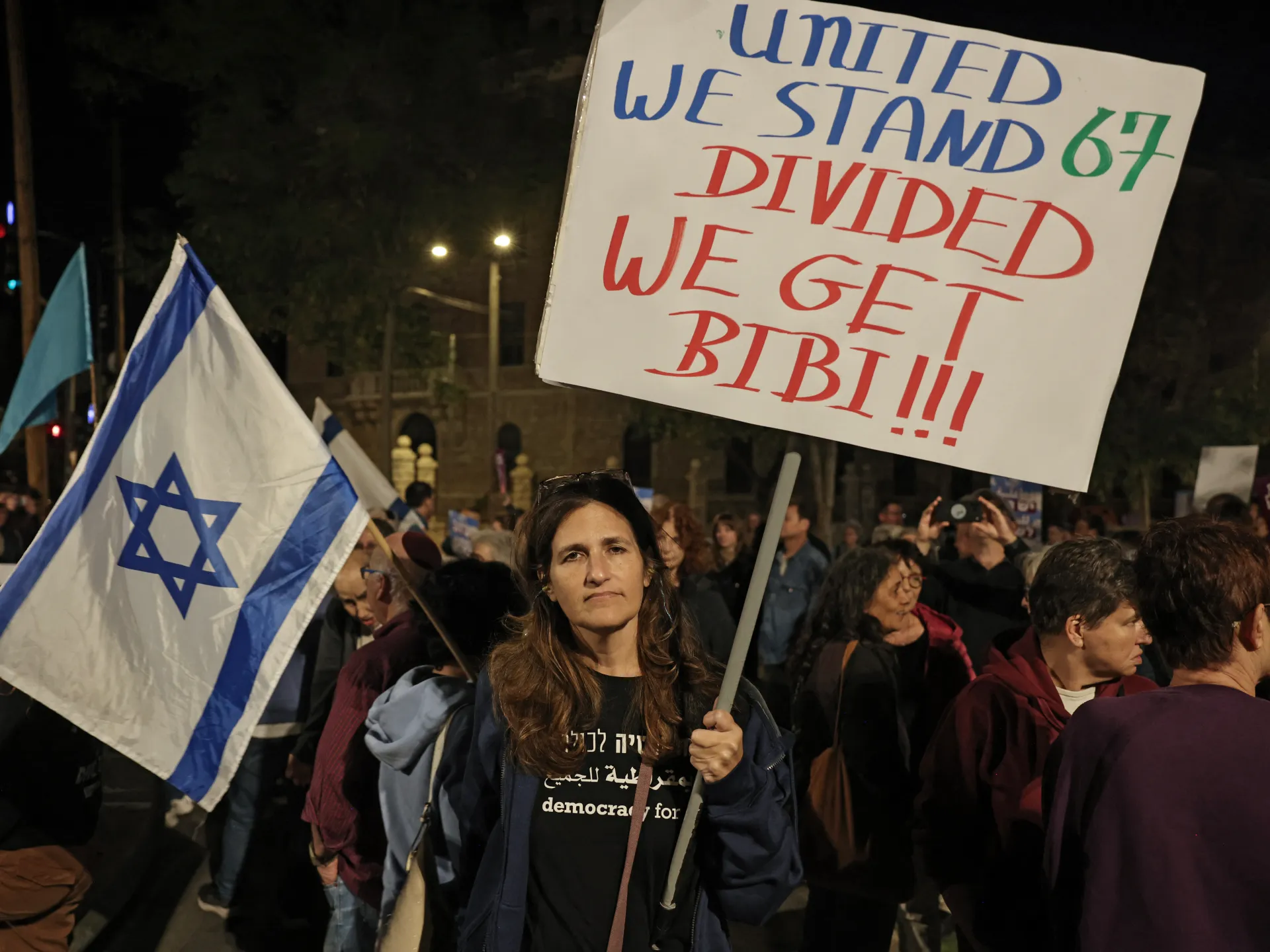
The report lays out several paths. Eisenkot could lead a minority government backed from outside by Ra'am and the Joint List, without those parties taking cabinet posts. He could also seek a majority by bringing in the ultra-Orthodox parties Shas and United Torah Judaism, which together hold 13 seats. That option would require compromises on military conscription exemptions for ultra-Orthodox students. A third option is a unity government including Likud, which would hold 67 seats but would require Eisenkot's bloc to drop its pledge to remove Netanyahu.
United Torah Judaism declined to endorse Netanyahu during consultations with Herzog, though Shas backed him. If Eisenkot fails, Herzog could give Netanyahu the chance to form a coalition. If neither leader succeeds, parliament could nominate another candidate.