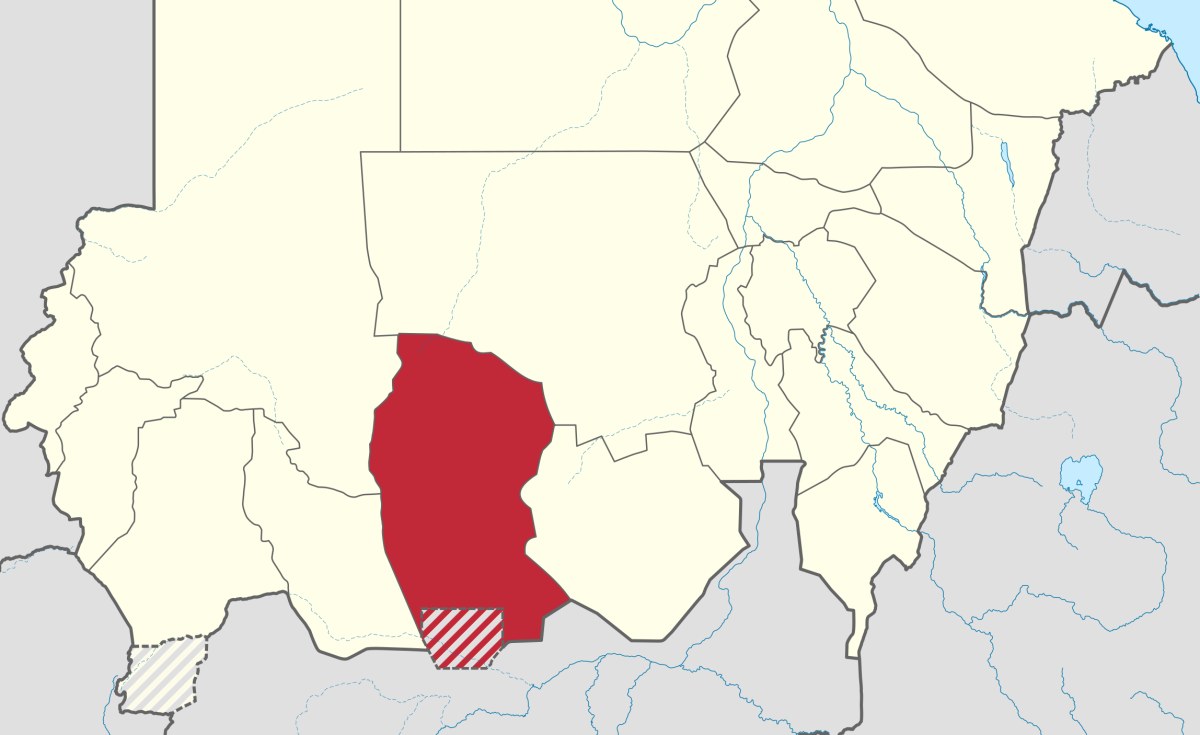
Local civil society groups in West Kordofan State, Sudan, say industrial chemicals and oil residues, including leaks, have caused an ongoing health crisis in oil-producing areas. They say the fighting between the Sudan Armed Forces (SAF) and the Rapid Support Forces (RSF) has made the problem worse. The groups spoke to Ayin.
A local civil society actor who has documented conditions said, "We have observed a severe deterioration in the situation since the war began." The source asked for anonymity for security reasons. The source said there is no maintenance, and that there has been deliberate destruction, theft and explosions at oil wells in many areas.
According to the report, oil facilities have been targeted by the warring parties since the war began in April 2023. Local residents and the civil society source attribute worsening conditions to damaged pipelines, poor infrastructure maintenance and a lack of environmental oversight.
The report says the SAF launched an offensive from El-Obeid on November 5 and recaptured the administrative hub of Al-Khuwai by November 13. The RSF had held Al-Khuwai since May 2025. The RSF still controls an estimated 85% to 90% of West Kordofan, according to the report, including the Heglig complex. The report says the RSF has sent a technical delegation to inspect the Neem, Defra and Kanar oilfields as part of plans to restart production.
A local civil society organisation named the residential areas near the Heglig oil field, Al-Barzaya and Al-Zurga, as areas of particular concern. The organisation said it has documented oil explosions at wells and ruptured pipelines. It reported a sharp rise in cases of foetal deformity and said women from oil-producing regions have a high rate of giving birth to children with deformities. The source also described growing cases of infertility and cancer that may be linked to pollution. The source said insecurity has prevented definitive tests to confirm a direct link, and that illnesses are often diagnosed only after people leave the region.
A local humanitarian worker said local groups began investigating suspected environmental damage in 2016. The worker said officials under former president Omar al-Bashir received their complaints but gave little support, and attributed this partly to the influence of former oil minister Awad al-Jaz. After the 2019 revolution, the then oil minister, Adel Ali Ibrahim, received community representatives who called for an environmental assessment. A committee conducted field surveys at 17 oil-processing sites, including Sharaf, Helaid and Baleela. The humanitarian worker said the committee documented congenital abnormalities, skin conditions, eye irritation in children, sexual health problems in men and infertility. The worker said more than 20 children had physical or congenital abnormalities.