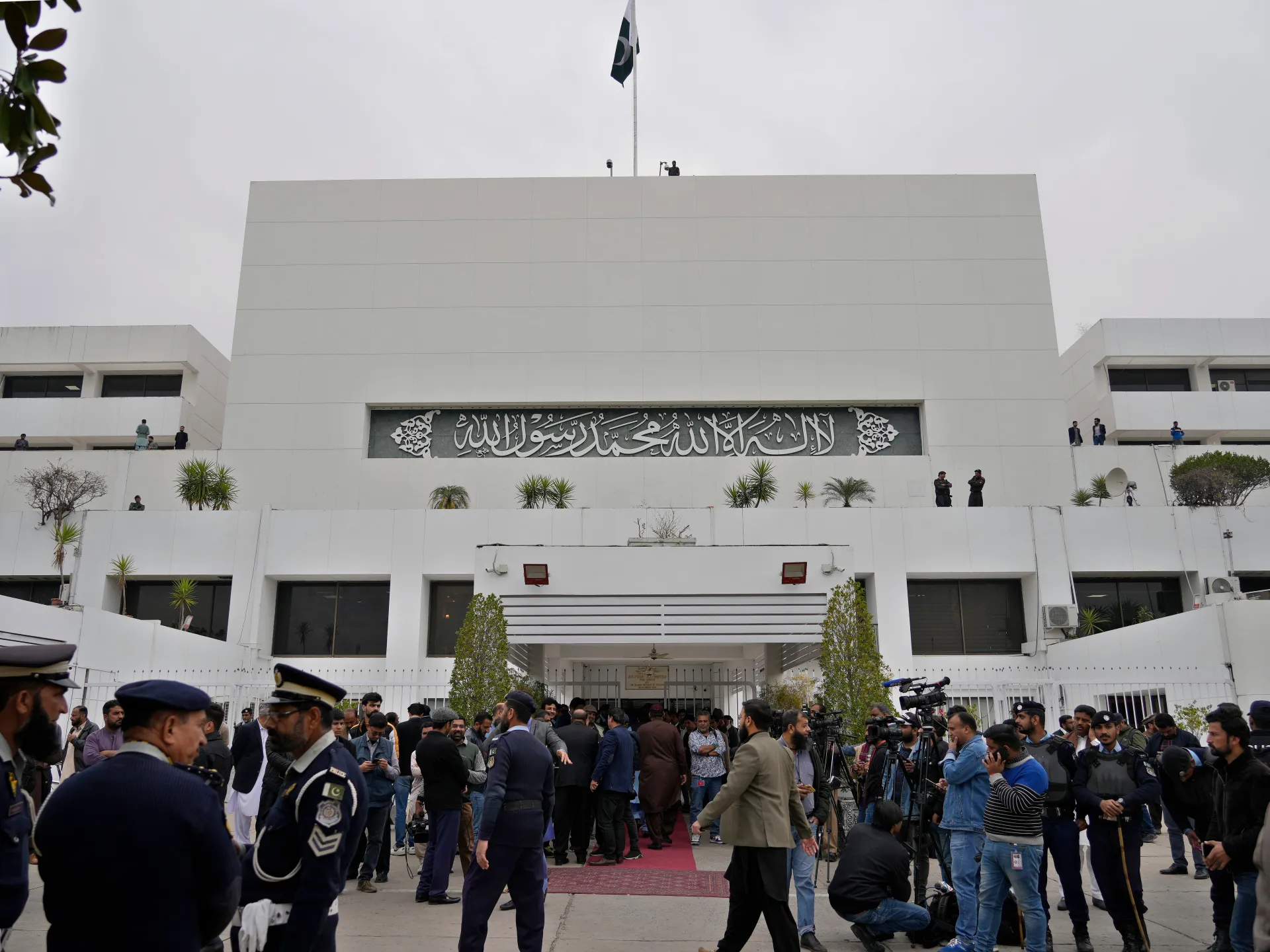
Pakistan's defence minister, Khwaja Asif, has said the country could have multiple new provinces as early as the New Year. Asif, a senior leader of the governing Pakistan Muslim League-Nawaz (PML-N), made the remark on a private news channel programme. He said he was giving his own assessment and had no inside information.
The proposal would carve new provinces out of the existing four: Punjab, Sindh, Khyber Pakhtunkhwa and Balochistan. Interior Minister Mohsin Naqvi first pitched the idea publicly at an economic summit in Islamabad on July 30. Planning Minister Ahsan Iqbal has spoken of 12 to 15 provinces, to be created through consensus.
Supporters argue the four provinces are too large to deliver services to a population of about 250 million. Mustafa Kamal, the federal health minister and a leader of the Muttahida Qaumi Movement-Pakistan (MQM-P), said power and resources had been concentrated in provincial chief ministers' offices. Kamal said the federal cabinet had not formally discussed the matter, and he did not know how many new units were planned.
No draft constitutional amendment, agreed number of provinces or timetable has been made public.
Pakistan's Constitution recognises four provinces and has no separate procedure for creating new ones. Constitutional lawyer Abdul Moiz Jaferii told Al Jazeera that the debate centres on Article 239. An amendment needs two-thirds of the total membership of each house of parliament. A change to a province's boundaries also needs two-thirds support in that province's assembly.
Naqvi told reporters in Lahore that the public should decide. Article 48(6) allows the prime minister to refer a matter of national importance to a joint sitting of parliament, which could lead to a referendum. Legal experts said a referendum's outcome would not be binding on the government. Jaferii said a referendum could not replace the constitutional amendment process.
An earlier attempt failed. The Senate passed a bill to create a Bahawalpur Janoobi Punjab province in March 2013, but it lapsed when the National Assembly's term ended.