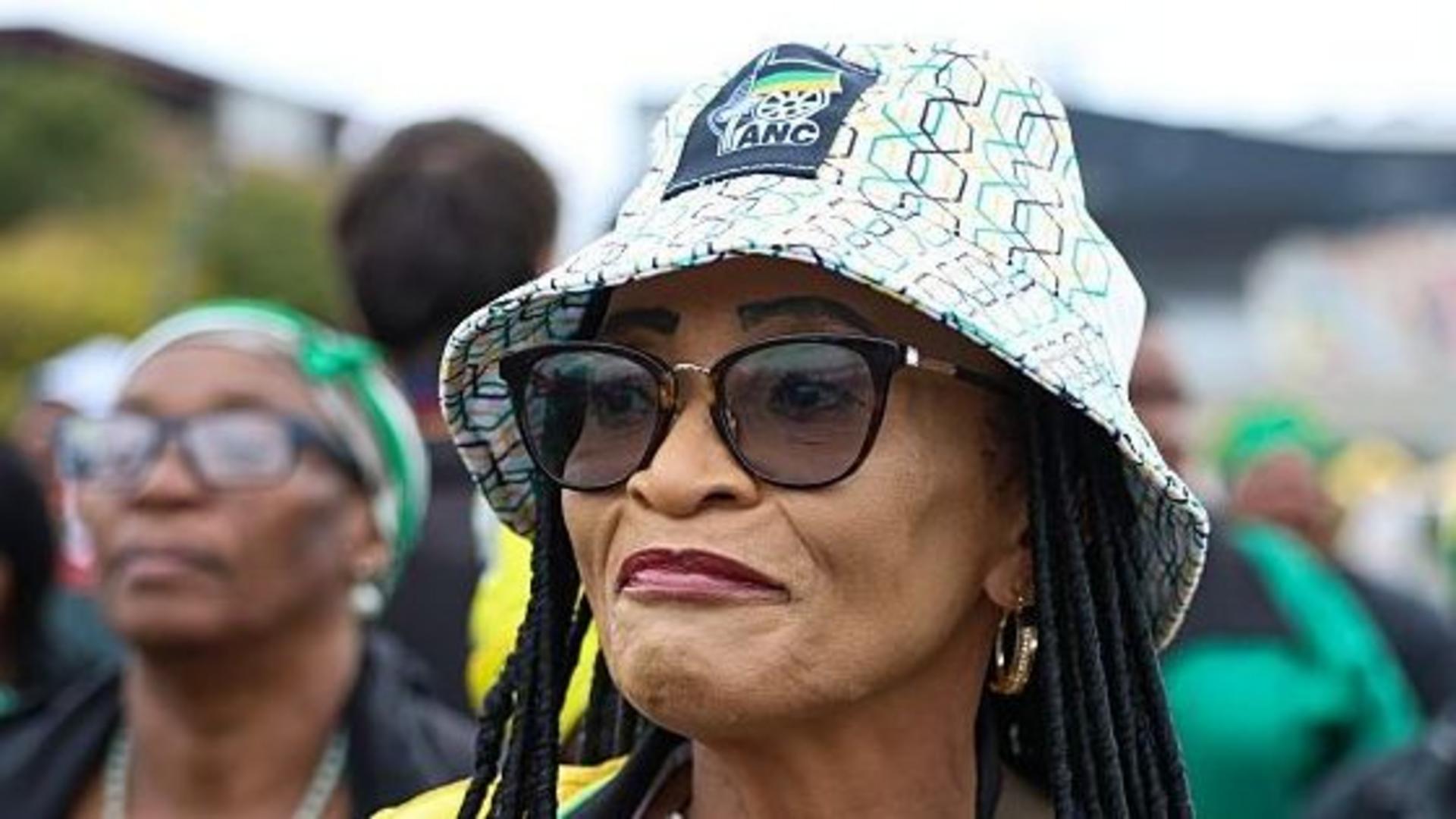
The African National Congress (ANC) is racing to secure power-sharing deals in most of South Africa's cities after its worst local election result since 1994.
The ANC won the most votes overall, with 31%, down from 46% in the last local elections. It won a majority in only one of the country's nine provinces, Limpopo, down from six. It won the most votes in two of the country's eight cities, compared with six in 2021.
The Democratic Alliance (DA) got the most votes in Johannesburg, Pretoria and Ekurhuleni in Gauteng province, and kept its majority in Cape Town. The DA also won the most votes in Nelson Mandela Bay. Nationally, the DA received 25% of the vote, up from 22% five years ago.
The uMkhonto weSizwe (MK) Party, led by former President Jacob Zuma, came third nationally with 10%. It became the biggest party in KwaZulu-Natal province, with 34%, but needs coalition partners to govern.
According to state broadcaster SABC, most of the ANC's top leaders see an agreement with the DA as a last resort. The ANC is instead courting smaller parties. In Gauteng, numerous reports point to a possible arrangement with the anti-immigrant ActionSA, which won 17% of the vote in the province. The Daily Maverick reported that a nationwide agreement to work with the DA at municipal level "was overwhelmingly rejected" at an ANC members' meeting, according to a party insider.
Parties have until 27 November to negotiate and form local governments. Neither the ANC nor the DA has publicly addressed the future of their national power-sharing arrangement.
Political analyst Andre Duvenhage told the BBC that "a lot of asymmetrical coalitions" could emerge. Analyst Sandile Swana said that any party leaving the national coalition over local deals would be "[shooting] yourself in the foot."