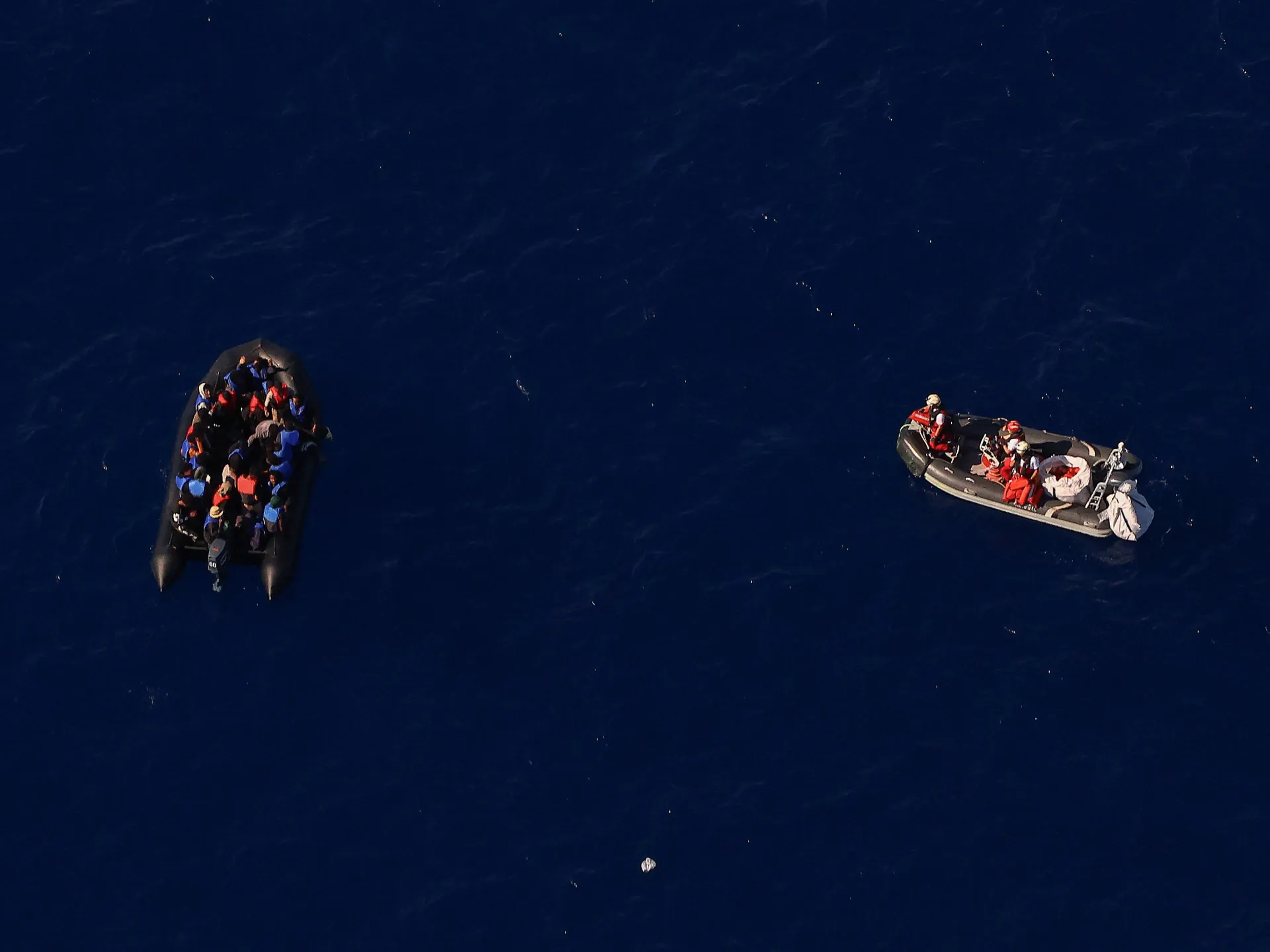
Thirty-eight men drifting in a rubber boat off the coast of Zeeland, with no motor and no life vests, is not a story about a rare curiosity in Dutch waters. It is a story about people who were put at serious risk, and about a system that still has no clear answer for what happens when they arrive.
According to military police spokesperson Doron Wallin, the group was rescued off the Netherlands' Zeeland province, far southwest of Amsterdam. Thirty-six of the men were from Afghanistan and two, whom authorities suspect of being smugglers, were from Sudan. Wallin told The Associated Press that authorities do not yet know whether the boat set out from France, the Netherlands or Belgium, or where it was heading. Those are basic facts that should have been established before a boat carrying people was allowed to drift into a busy shipping coast.
The Dutch response so far has been to arrest the two suspected smugglers and open an investigation on Sunday. That is a necessary step. Smuggling networks that put people in unseaworthy boats deserve prosecution. But the report also makes clear that the 36 men were the ones who bore the risk, and the report says nothing about what protection or assistance they are now receiving beyond their rescue.
Wallin's remark that such cases are usually seen in France and Belgium, and rarely in the Netherlands, should prompt a sober question for officials. If small-boat crossings are becoming more common across the North Sea and Channel routes, the Netherlands cannot treat each new case as an isolated surprise. Investigators should publish what they learn about the route and the crossing, and policymakers should plan for these arrivals before another boat is found in the same condition.