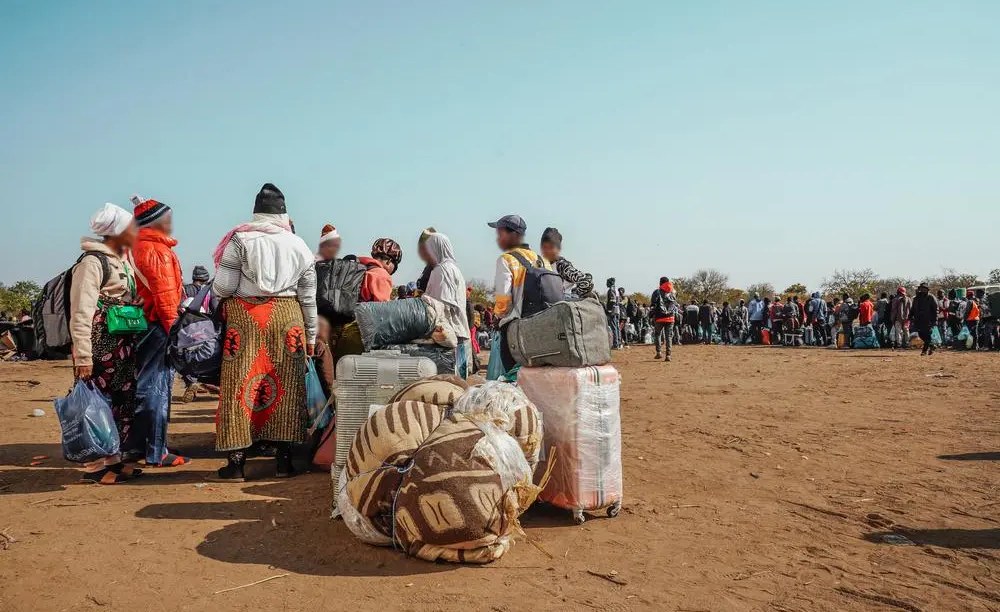
Anti-migrant hostility in South Africa is not a series of unconnected flare-ups. According to the report, hostility toward African migrants has erupted in repeated waves since 2008, and the government has treated each episode as an isolated incident rather than a systemic social problem. That framing has allowed the cycle to repeat. A deadline set by anti-migrant groups, requiring all undocumented migrants to leave by 30 June, 2026, sparked nationwide protests, attacks on foreign-owned businesses and door-to-door harassment. Deaths, property destruction and displacement followed, and the report says tens of thousands of people have been left in fear for their lives and livelihoods.
The consequences extend well beyond the streets. Candice Sehoma of MSF Southern Africa said that when people are targeted, criminalised or made to feel unwelcome, they may delay or avoid healthcare altogether for fear of discrimination. That is a public health problem, not only a human rights problem. A community that will not seek care is a community where illness spreads unseen and treatable conditions become emergencies. Officials who speak of hostility as a passing security concern should take that warning seriously.
The report also challenges the narrative that migrants are the cause of unemployment, crime and pressure on services. Those claims, it notes, often outrun the evidence. Fouzia Bara of MSF argued that migration should be understood through its human cost rather than only through border security and political debate. She noted that only about four to five percent of the roughly 117.8 million displaced people reach Europe, and that most remain within or near their countries of origin. Scapegoating migrants for failures in public services shifts attention away from the underfunding and governance problems that actually strain those systems.
South Africa's response should begin with clear acknowledgement that the violence is systemic. Authorities need to protect people in their homes and at work, prosecute those who incite and carry out attacks, and ensure that migrants can reach clinics and hospitals without fear. Health services should be explicitly open to all people regardless of documentation status, and that message should come from government leaders, not only from aid organisations. Treating each wave of violence as an exception has failed for more than fifteen years. The next deadline should not be allowed to arrive before the country has committed to a different course.