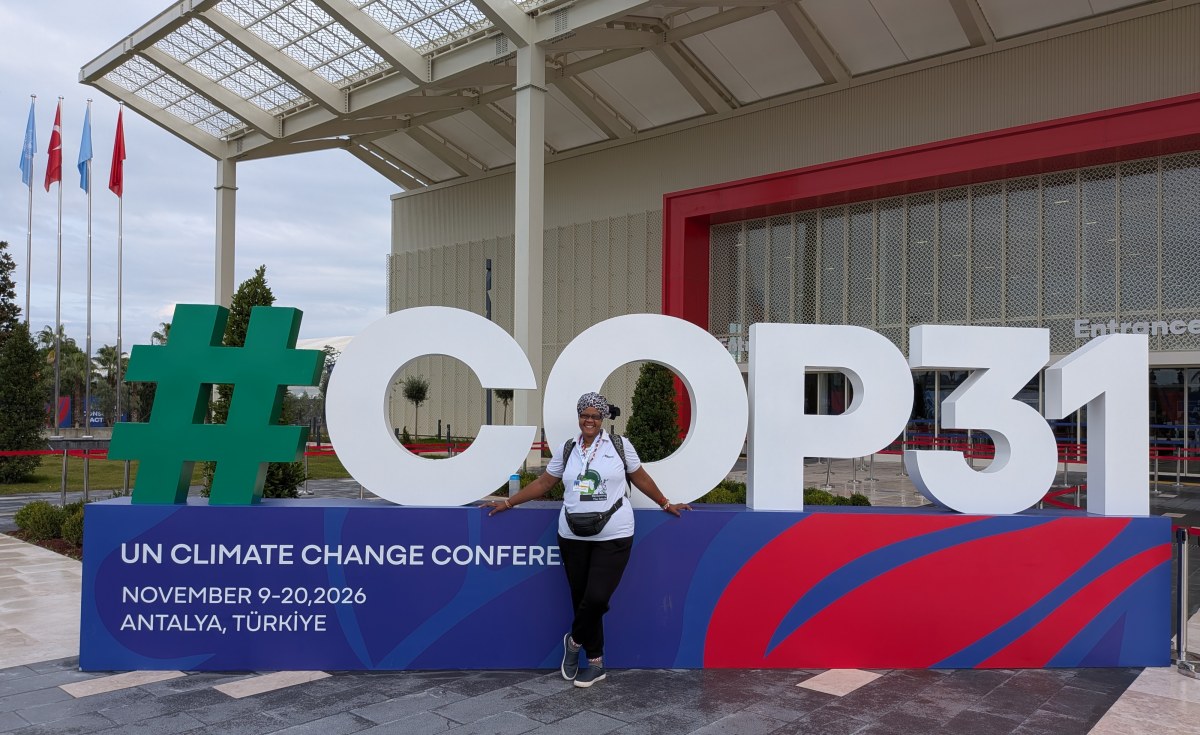
As COP31 places zero waste on the climate agenda, the most important question is not which technologies or targets will be announced, but who will carry out the work. According to the report, waste is the third-largest source of human-caused methane emissions, accounting for nearly 20% of the global total, yet the sector remains underfunded and inadequately monitored. Much of the recovery that makes a circular economy possible is already being done by waste pickers and reclaimers across Africa, and most of them still work without formal recognition, social protection or decent conditions.
The scale of the problem makes that gap hard to justify. The UN Environment Programme estimated that municipal solid waste reached 2.1 billion tonnes in 2023 and will reach 3.8 billion tonnes by 2050. The report also notes that 97% of waste in low-income countries is openly dumped or burned. Where waste is uncontrolled, governments do not even know where dumpsites are, how much they receive or what they emit. A plan that ignores the people who already sort and recover materials from these sites is starting from a blind spot.
Eva Mokoena of South Africa's African Reclaimers Organisation makes the practical case clearly. Separation at source, local processing of organic waste into compost, manure and biogas, and cooperative models only work when waste pickers have access to land, storage, transport and training. Her argument that they are the frontline educators of their communities is a strong one. If governments want households and markets to separate waste, the people who already do this door to door are the most credible messengers available.
National governments should act on this now rather than after the next climate summit. Waste picker organisations should be named in waste and climate legislation, including in updated Nationally Determined Contributions, as essential service providers with defined rights and payment arrangements. They should also sit on the bodies that design and monitor these policies. Recognition that stays on paper will not reduce methane, so it must be backed by equipment, infrastructure and social protection.
The zero-waste agenda is right to focus on methane and food waste. But a transition that treats waste pickers as beneficiaries rather than partners will repeat the failures of past programmes. Africa has an opportunity to build a circular economy on the labour already in place. Whether it does so will show whether COP31's commitments on waste are meant to change conditions on the ground or only to be reported in summaries.