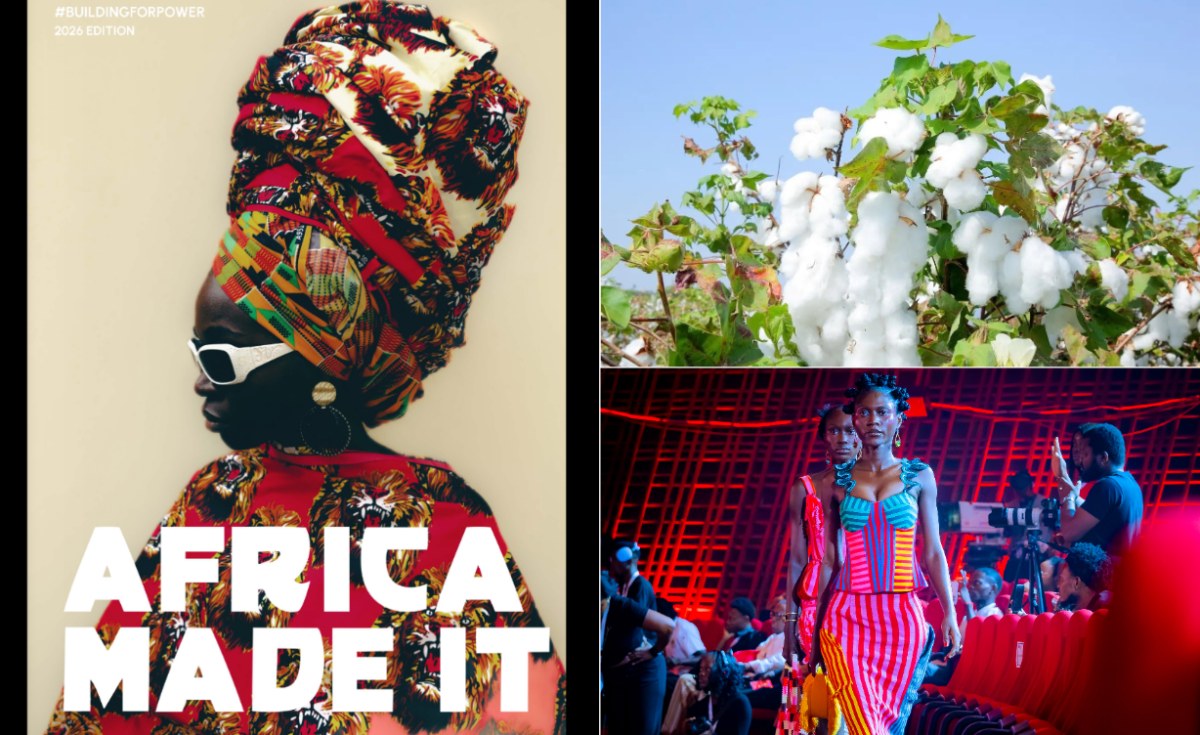
Africa grows cotton, inspires global fashion and has a creative economy that the world watches closely. Yet, as the Africa Made It campaign rightly points out, much of the money made from that cotton is earned somewhere else. The continent supplies the raw material and the talent, while others capture most of the value. That imbalance is the problem the campaign launched at CANEX WKND 2026 in Lagos is trying to fix, and it deserves serious attention from governments and investors.
The figures cited in the report make the case clearly. Thirty-seven of Africa's 54 countries produce cotton, yet the continent captures less than 2% of the global cotton economy, according to Abimbola Ogundairo of Africa Practice. The campaign's estimate that domestic textile and garment production could contribute an estimated US$34 billion annually to Africa's GDP is a large number, and it explains why this is more than a fashion story. Research cited in the report also suggests that about US$1.8 billion of investment could help create up to two million permanent jobs.
Benin is the most useful example in the report. The report says the country has moved from exporting about 90% of its raw cotton to processing around 30% locally, and that it is reportedly exporting about 10 million garments a year with a goal of 300,000 permanent jobs by 2030. Those are figures that other countries should study closely, though the report attributes them to figures "we have seen" and offers no independent verification. Governments should test whether the Glo-Djigbé Industrial Zone model can be repeated, rather than simply repeating the campaign's slogans.
The campaign's three pillars, Power, Protect and Purchase, are sensible in principle. Reliable energy and financing are basic requirements for any factory, and fair trade rules matter if local producers are to compete with cheap imports. The third pillar asks consumers to buy African-made products. That is a fair appeal, but it cannot carry the load alone. Shoppers will not sustain local manufacturing if the goods are more expensive or harder to find. Policy has to make local production competitive first.
The campaign's core message is still right: Africa should keep more of the value it creates. Governments should match the rhetoric with industrial zones, power supply, and trade enforcement, and they should measure progress against the job and processing targets they set. Africa has already shown global cultural influence. The next step is to build the factories and supply chains that turn that influence into lasting economic power.