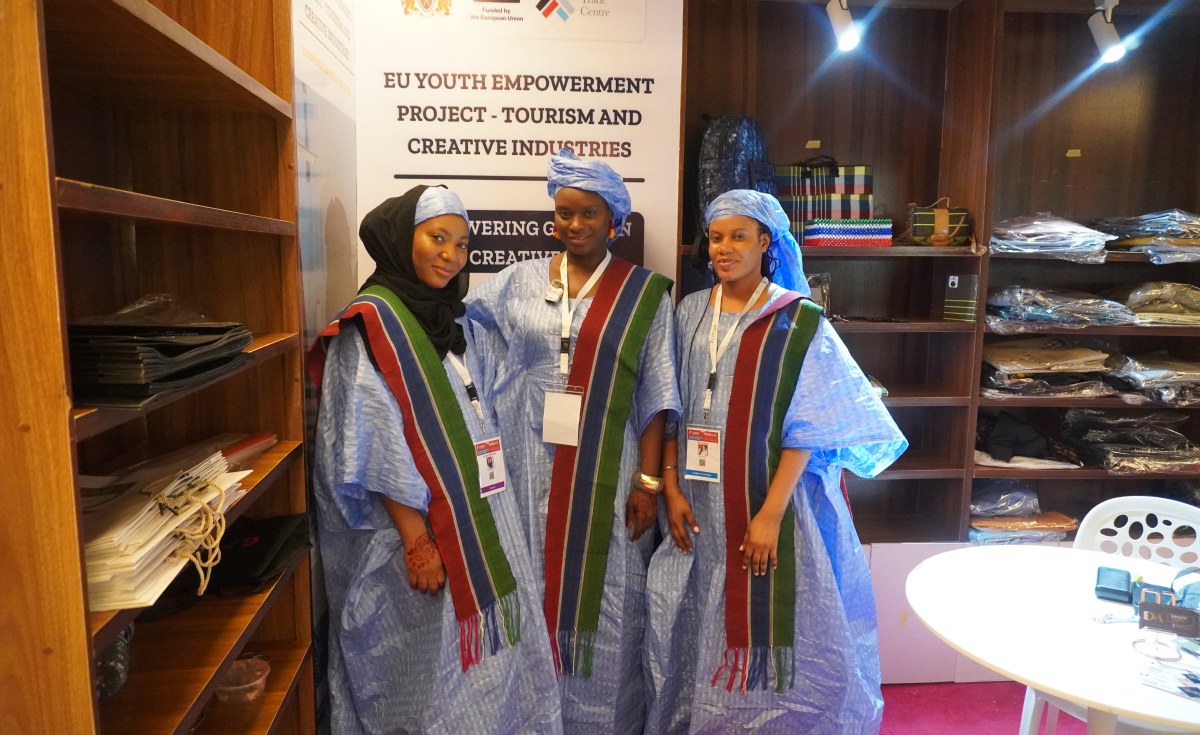
Ndey Bassin Faye wants her brand, Bassin's Couture, to be known internationally. That ambition is worth taking seriously, and the report from CANEX WKND 2026 in Lagos shows why it is harder to achieve than it sounds. Faye, who founded the label in 2016, says one of the biggest challenges is sourcing diverse fabrics, particularly those outside Gambian culture. She notes that in some cases it is easier to get supplies from Europe and China than from elsewhere in Africa.
That detail should concern anyone who cares about the continent's industrial future. The report describes rich textile traditions, cotton-producing countries and a growing community of designers, yet the links between them remain weak. A designer who must import from Europe or Asia to build an African label is paying for a gap that African governments and businesses have not closed.
Anita Ehui, the luxury brand consultant quoted in the report, names the problem directly. "I think we have a big manufacturing problem, whether in textiles or production itself, and that makes things difficult," she said. Her advice to prioritise African sourcing and production is sound, and the report suggests it could help build demand that strengthens local manufacturing. But advice to buy local cannot work alone when local material is scarce, inconsistent in quality or costly to produce.
Faye's own practice points toward a better model. She works with locally grown cotton and hand-woven fabrics, using them to promote Gambian cultural identity while building a business. That approach shows that African fashion does not have to choose between heritage and global appeal. The harder question is whether the infrastructure can scale that model beyond a single designer's studio.
CANEX offers a useful platform for those connections, and the report is right to highlight its masterclasses, supplier introductions and partnership opportunities. Gatherings of this kind are valuable. Still, a networking weekend is not a supply chain. If African creatives are to compete abroad, the next step should be concrete investment in textile production, quality control and sourcing networks that reach across borders, so that the continent's designers can work, source and grow together without first looking overseas.