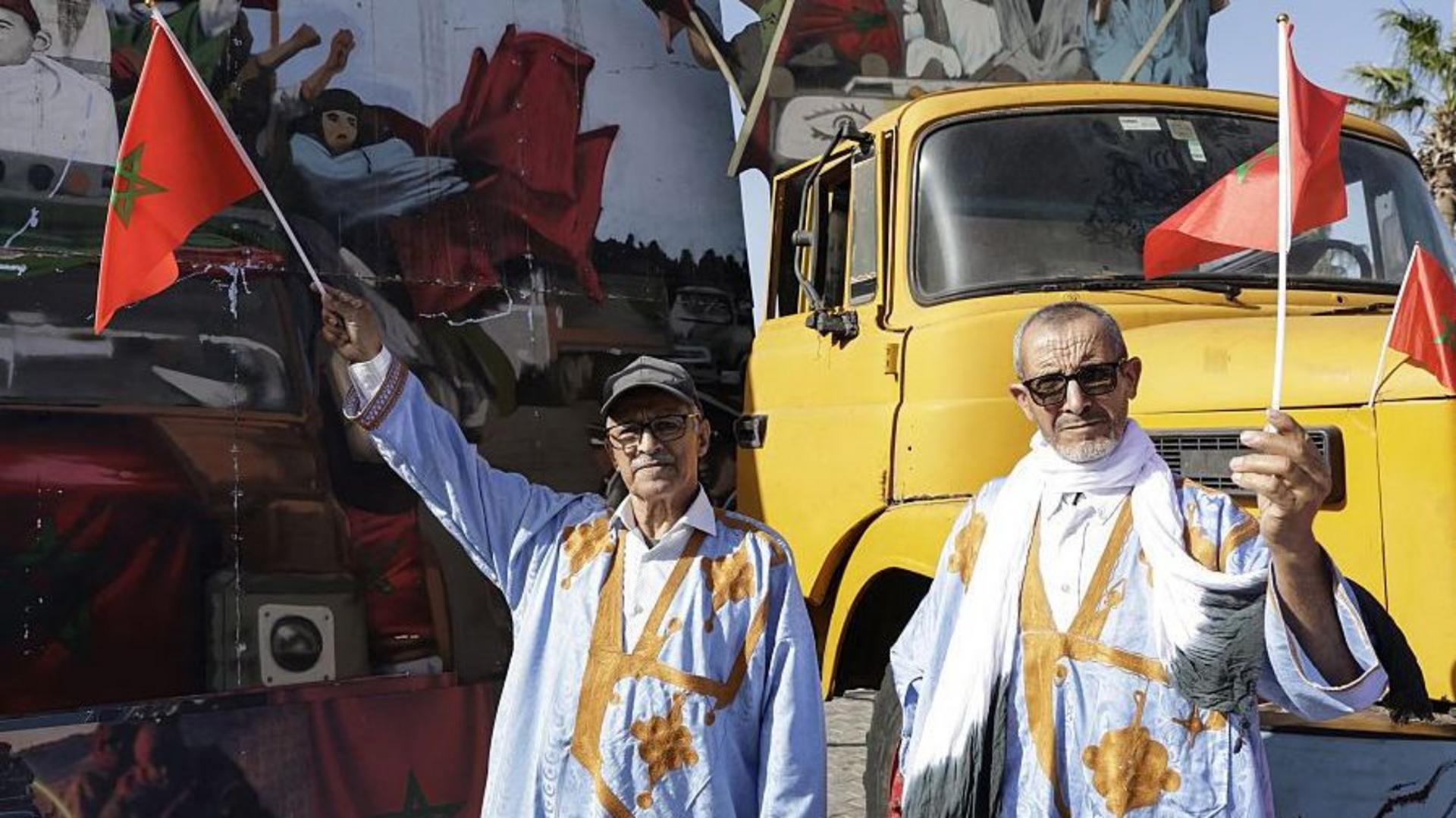
The failure of the UN Security Council to renew the mandate of the UN Mission for the Referendum in Western Sahara, known as Minurso, has left Morocco celebrating. The celebration is understandable, but it should not be mistaken for progress toward a settlement. A mission that was created to organise a referendum is now being wound down after a standoff between the United States and Russia, and the Sahrawi people, whose right to self-determination is at the heart of the dispute, had no decisive voice in that outcome.
The procedural facts are clear. The US-backed draft gained 11 of the Security Council's 15 votes, including France and the UK, but Russia vetoed it. A rival Russian proposal to extend the mission without changing its terms received only two votes. Minurso's mandate expired on Saturday, 31 October, and the UN says the mission has entered a liquidation period. Secretary-General António Guterres has warned of the risk of renewed hostilities and stressed that the Sahrawi people's right to self-determination must be respected. Those words deserve more weight than the cheering in Laayoune.
The report shows why the celebrations are premature. The referendum was scheduled for 1992 and never happened because the two sides could not agree on who would be eligible to vote. Morocco's 2007 autonomy proposal, rejected by the Polisario Front and Algeria, has now been given a boost by a 2025 Security Council resolution calling it the "most feasible" solution. Yet the same report notes that the decision does not change Western Sahara's legal status or amount to international recognition of Moroccan sovereignty, and that the territory remains on the UN list of non-self-governing territories.
The ceasefire that has held in fragments since 1991 has already broken down once, in November 2020, when Polisario said it was resuming armed struggle. Removing the only UN monitoring force on the ground does not make that risk disappear. It removes one of the few neutral observers, while the tens of thousands of Sahrawis in refugee camps near Tindouf remain dependent on arrangements that no one has yet explained.
Morocco is right that the Security Council has struggled for decades to break the deadlock. But a settlement imposed through diplomatic leverage and the withdrawal of monitors will not be durable without the consent of the Polisario Front and Algeria. The sensible next step is a credible, UN-led process that keeps every option on the table and gives the Sahrawi people a real say. Celebrating the end of a mission is not the same as ending a conflict.