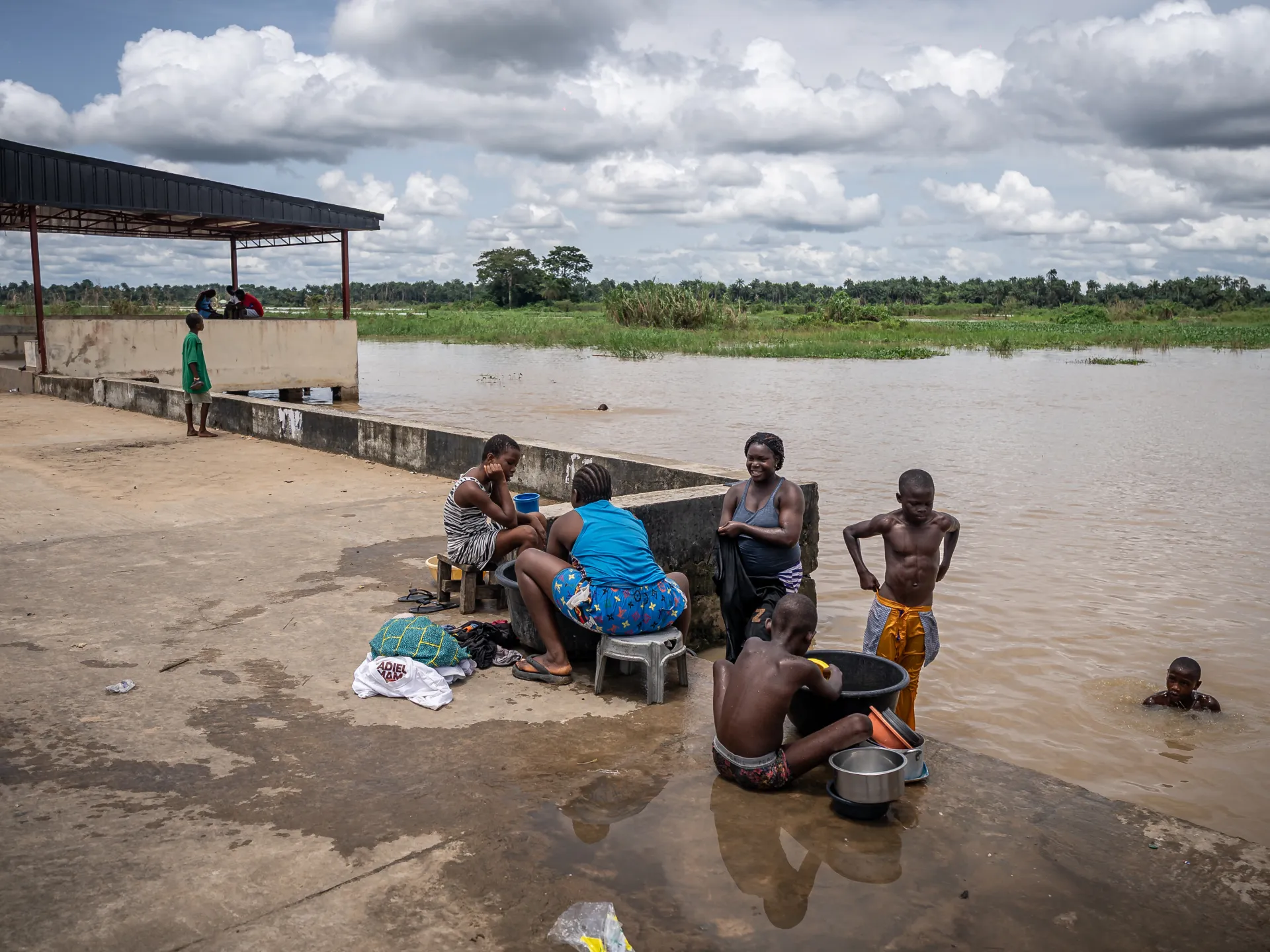
A boat carrying mourners to a funeral overturned in Bayelsa State on Friday, and police say at least four people are dead, including two children. Search teams were still looking for more victims when the report was published, so the toll may rise. The vessel was believed to be carrying hundreds of people, though police did not confirm how many were on board. Some residents told Reuters there were at least 300.
The details that police have released point to a familiar failure. The boat suffered a mechanical failure while travelling from Ayama to Ukubie, and it was described by police as overcrowded. Twenty-four people were rescued, and the driver fled the scene. The vessel's manager was taken into custody. Those facts raise a basic question: why was a boat that could be overwhelmed by a mechanical problem allowed to carry so many passengers in the first place?
Police say the boat was travelling "for a burial ceremony" and that officers are coordinating with local divers and other responders. That effort is necessary, and the rescue work should be supported. But the response after a disaster is not enough. The state and federal authorities should publicly account for how the vessel was licensed, inspected and loaded, and whether the manager who was detained will face charges tied to overcrowding or poor maintenance.
The report also places this crash in a pattern. It notes an August incident in Sokoto State in which at least 51 people died, and a January capsizing in which at least 26 drowned while travelling between Jigawa and Yobe. Accidents of this kind are common on Nigeria's busy waterways, and they are often linked to overloaded vessels, poor upkeep and weak compliance with safety rules. Repeated deaths on the same routes are not bad luck; they are evidence of unenforced rules.
Nigeria should treat river transport as a safety responsibility, not a matter of community custom. That means publishing passenger limits at every landing point, inspecting vessels before departure, and holding owners and managers liable when they ignore those limits. Mourners travelling to a burial should not have to choose between paying their respects and risking their lives.