US President Donald Trump has notified Congress that South Africa and Rwanda will be removed from the African Growth and Opportunity Act, or Agoa, from 1 January 2027. The programme lets eligible African countries export thousands of products to the United States duty-free. Losing that access would hurt exporters, workers and the governments that depend on the revenue and jobs those exports create.
US Trade Representative Jamieson Greer said an annual review found both countries were engaging in practices inconsistent with the programme's eligibility requirements. The administration cited barriers to US trade and investment, along with concerns about national security and foreign policy interests in the region. For South Africa, it also pointed to corruption. In Rwanda's case, Washington raised human rights, political pluralism, the rule of law and workers' rights.
The timing deserves scrutiny. The decision came barely a week after the US Treasury sanctioned Rwanda's defence ministry over its alleged role in the armed rebellion in eastern DR Congo. The Treasury said Rwanda's defence ministry directed thousands of troops to fight alongside M23 rebels and provided weapons, equipment, logistics and training. If those allegations are the core concern, that is a serious matter for Washington to pursue directly. Using a trade programme as a blunt instrument mainly harms ordinary citizens and factory workers, not the officials in question.
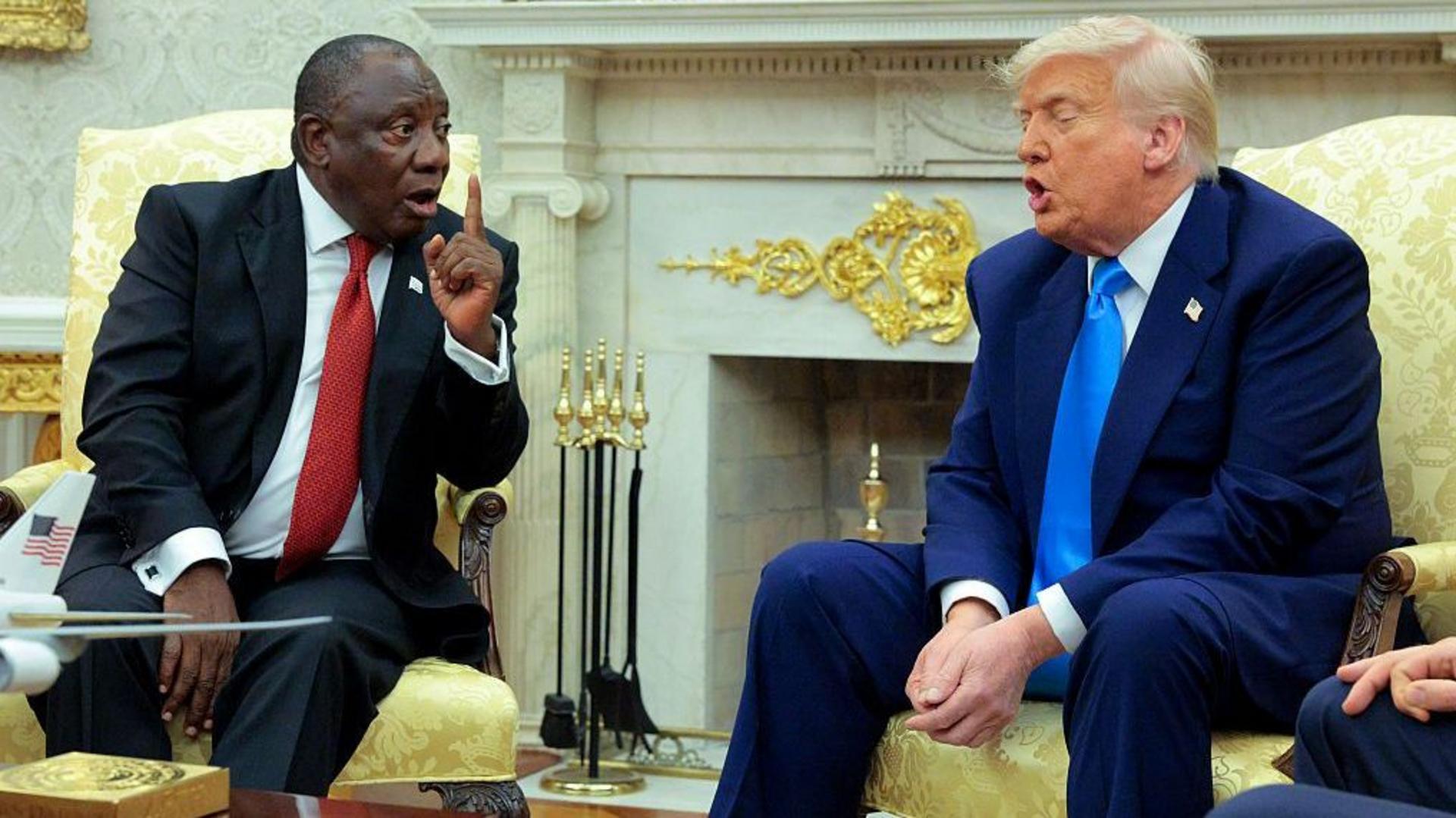
South Africa's case sits in a context of strained relations. Last year, Trump accused South Africa of white genocide in a meeting with President Cyril Ramaphosa at the White House and launched a US refugee pathway for Afrikaners. US Ambassador Leo Brent Bozell III called the outcome predictable and preventable, blaming South Africa's government for rejecting real US concerns. Pressure over disputed political claims is hard to separate from a trade decision that cuts off market access.
Both governments should answer the specific corruption and conduct concerns with evidence and reform, while Washington should be transparent about which benchmarks would restore eligibility. Agoa was built on the idea that trade builds stability. Punishing exporters over diplomatic quarrels undercuts that idea, and it will push African partners to look elsewhere for markets and partnerships.