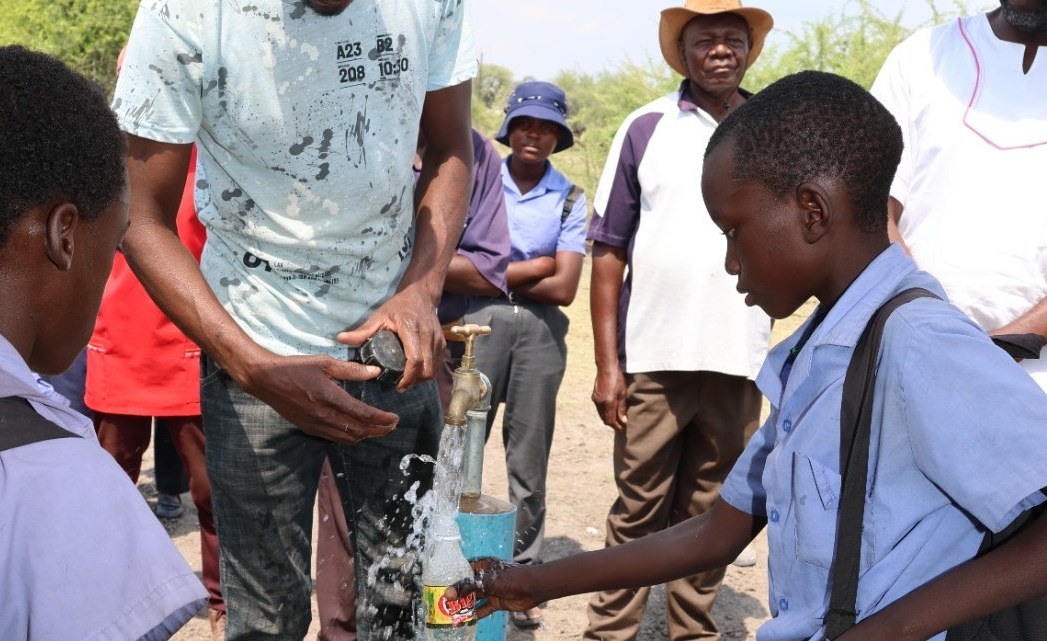
A 10-kilometre pipeline that brings clean water to more than 100 households in three villages in the Omuntele Constituency is a result worth noting. According to the report, the Onkani-Onakandi pipeline was commissioned and handed over by the Oshikoto Regional Council, includes three public water points, and was built at a cost of more than N$600 000 under the Council's Cash/Food for Work Programme for the 2025/2026 financial year. For families who previously travelled long distances for water, that is a real change in daily life.
Deputy Director of Rural Services Priscilla Lyakwata called the project a milestone and said it was the longest pipeline the Council had built in the region so far. She urged residents to take collective responsibility for maintaining the infrastructure and preventing water wastage. That warning deserves more weight than a ceremonial remark. A pipeline is only as durable as the people who use it, and the report gives no detail on who will repair leaks, fund maintenance, or manage the water points after the handover.
Regional Head of Water Supply and Sanitation Coordination Steven Tuukondjele described the arrangement as the community meeting the government halfway. Community members dug trenches and were paid for their labour, while the government supplied the pipes and other materials. That partnership model is sensible, but it should not end at handover. Tuukondjele said his office would monitor the pipeline and work towards installing tank stands and cattle troughs. Those commitments should be tracked publicly, with dates and budgets, so residents can hold the office to them.
Tuukondjele also assured residents that the water was safe for human and livestock consumption. Residents should be able to see that assurance backed by testing results, and the report does not include any. Officials should publish water quality checks for the new points, not just the assurance itself. Residents of Onankazizi village, including Christofina Absalom, welcomed the change, saying the long walks to fetch water had been cut short. Her gratitude is the strongest evidence in the report that this project matters.
What should happen next is clear: the Council should publish a maintenance plan, a schedule for the promised tank stands and cattle troughs, and water quality results for the three points. Infrastructure built with public money earns trust when it keeps working long after the ribbon-cutting. The people of Onkani, Onakandi and Onankazizi have done their part. Now the Council needs to show that the promise of sustainability is more than a speech.